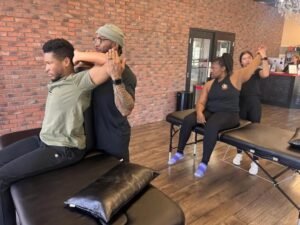
In the competitive fitness industry, gym owners are constantly seeking innovative ways to enhance their service offerings and boost revenue. One such opportunity lies in the integration of stretch therapy programs, which not only improve client satisfaction but also serve as a valuable revenue stream. This article will explore effective pricing strategies for gym stretch therapy programs, focusing on how to maximize revenue and client retention.
Readers will learn about the core pricing models, the benefits of bundling services, and how to implement value-based pricing effectively. By understanding these strategies, gym owners can address the growing demand for recovery services and position their businesses for success.
The increasing popularity of stretch therapy reflects a broader trend in the fitness industry, where recovery services are becoming essential for client retention and acquisition. This article will delve into the importance of stretch therapy, the various pricing models available, and how to market these services effectively to attract and retain clients.
Why Is Stretch Therapy a Vital Revenue Stream for Gym Owners?
Stretch therapy is increasingly recognized as a crucial component of fitness programs, offering numerous benefits that enhance client satisfaction and retention. By incorporating stretch therapy, gyms can provide a holistic approach to fitness that addresses not only strength and endurance but also flexibility and recovery. This comprehensive service can significantly improve client loyalty, as members appreciate the added value of recovery options that enhance their overall fitness experience.
How Does Stretch Therapy Enhance Client Retention and Acquisition?
Stretch therapy plays a pivotal role in enhancing client retention and acquisition by addressing common issues such as muscle tightness and injury prevention. Clients who engage in regular stretch therapy report higher satisfaction levels, leading to increased loyalty and longer membership durations. Additionally, offering specialized recovery services can attract new clients seeking comprehensive fitness solutions, thereby expanding the gym’s customer base.
What Market Trends Support the Growth of Recovery Services in Gyms?
Recent market trends indicate a growing demand for recovery services, including stretch therapy, as fitness enthusiasts increasingly prioritize holistic health. According to industry reports, the global recovery services market, including modalities like stretch therapy, is projected to grow significantly over the next several years, driven by a shift in consumer preferences towards wellness and injury prevention. This trend presents a lucrative opportunity for gym owners to capitalize on the rising interest in recovery modalities, positioning their facilities as leaders in comprehensive fitness solutions.
What Are the Core Pricing Models for Gym Stretch Therapy Programs?
Understanding the various pricing models for stretch therapy is essential for gym owners looking to maximize revenue. Different approaches can cater to diverse client needs and preferences, ensuring that services are accessible while also profitable.
| Pricing Model | Description | Benefits |
|---|---|---|
| Session-Based Pricing | Clients pay per session, allowing flexibility in attendance. | Attracts clients who prefer pay-as-you-go options. |
| Membership Pricing | Clients pay a monthly fee for unlimited or a set number of stretch therapy sessions. | Encourages regular attendance and enhances client retention. |
| Package Pricing | Clients purchase a set number of sessions at a discounted rate. | Increases upfront revenue and encourages commitment to regular sessions. |
These pricing models can be tailored to fit the specific needs of a gym’s clientele, ensuring that services remain attractive and profitable.
How Does Session-Based Pricing Work for Assisted Stretching?
Session-based pricing allows clients to pay for individual stretch therapy sessions, providing flexibility for those who may not want to commit to a membership. This model is particularly appealing to new clients who want to try the service without a long-term commitment. Typical session lengths range from 30 to 60 minutes, with prices varying based on the duration, location, and expertise of the therapist. This approach can effectively attract clients who prefer a more casual engagement with the service.
What Membership and Package Options Drive Recurring Revenue?
Membership and package options are effective strategies for driving recurring revenue in stretch therapy programs. Monthly memberships can offer unlimited or a capped number of sessions, encouraging clients to incorporate stretch therapy into their regular fitness routines. Additionally, package deals that provide a discount for purchasing multiple sessions can incentivize clients to commit to a set number of visits, ensuring consistent revenue flow for the gym.
How Can Gyms Bundle Stretch Therapy with Existing Fitness Services?
Bundling stretch therapy with existing fitness services can create a compelling value proposition for clients. By offering combined packages, gyms can enhance the overall client experience and increase perceived value.
What Are Effective Strategies for Combining Stretch Therapy with Personal Training?
Combining stretch therapy with personal training sessions can provide clients with a comprehensive fitness experience. For instance, trainers can incorporate stretching techniques into their workouts, helping clients improve flexibility and reduce the risk of injury. This integrated approach not only enhances the effectiveness of personal training but also encourages clients to explore additional services, such as dedicated stretch therapy sessions.
How Does Bundling Increase Overall Gym Revenue and Client Value?
Bundling services can significantly increase overall gym revenue by encouraging clients to purchase multiple services at a discounted rate. For example, offering a package that includes personal training sessions and stretch therapy can enhance client value and satisfaction. This strategy not only boosts revenue but also fosters a sense of loyalty among clients who appreciate the comprehensive care provided by the gym.
How to Implement Value-Based Pricing for Premium Stretch Therapy Services?
Value-based pricing focuses on the perceived value of services rather than simply the cost of delivery. This approach can be particularly effective for premium stretch therapy pricing services that offer unique benefits.
What Justifies Premium Pricing in Stretch Therapy Programs?
Premium pricing for stretch therapy programs can be justified by the quality of service, the expertise of therapists, and the unique benefits offered. For instance, specialized techniques or advanced training in stretch therapy can enhance the effectiveness of sessions, allowing gyms to charge higher rates. Additionally, the use of high-quality equipment and personalized care can further justify premium pricing.
How to Communicate the Value Proposition to Gym Members?
Effectively communicating the value proposition of stretch therapy services is crucial for justifying premium pricing. Gym owners should focus on educating clients about the benefits of stretch therapy, including improved flexibility, injury prevention, and enhanced recovery. Utilizing testimonials, success stories, and informative materials can help convey the value of these services, encouraging clients to invest in their health and wellness.
What Are the Costs and Profitability Factors in Offering Stretch Therapy?
Understanding the costs associated with offering stretch therapy pricing is essential for determining profitability. Key factors include operational expenses, trainer certification, and marketing costs.
How Does Trainer Certification Impact Operational Investment?
Trainer certification plays a significant role in the operational investment required for stretch therapy programs. Certified trainers often command higher wages, but their expertise can lead to better client outcomes and satisfaction. Investing in qualified trainers can enhance the gym’s reputation and attract more clients, ultimately offsetting the initial costs associated with certification.
What Are the Key Metrics for Calculating ROI and Profit Margins?
Calculating return on investment (ROI) and profit margins for stretch therapy services involves analyzing various metrics, including session costs, pricing models, and client retention rates. Key performance indicators such as average revenue per client and session utilization rates can provide valuable insights into the profitability of stretch therapy programs. By monitoring these metrics, gym owners can make informed decisions about pricing and service offerings.
How to Market and Sell Your Gym’s Stretch Therapy Programs Effectively?
Effective marketing strategies are essential for promoting stretch therapy programs and attracting new clients. By utilizing targeted marketing efforts, gyms can engage both existing members and potential clients.
What Internal Promotion Tactics Engage Existing Members?
Engaging existing members through internal promotions can significantly boost awareness of stretch therapy services. Tactics such as promotional events, workshops, and member-exclusive discounts can encourage clients to explore new offerings. Additionally, incorporating stretch therapy into regular fitness classes can familiarize members with the service, increasing the likelihood of future bookings.
Which Targeted Marketing Strategies Attract New Clients?
Targeted marketing strategies, such as social media campaigns and community outreach, can effectively attract new clients to stretch therapy programs. Highlighting the benefits of stretch therapy through engaging content and testimonials can resonate with potential clients seeking comprehensive fitness solutions. Collaborating with local health professionals or fitness influencers can also enhance visibility and credibility, driving new memberships.
Frequently Asked Questions
What qualifications should a stretch therapist have?
A stretch therapist should ideally have a background in physical therapy, sports science, or a related field. Certifications from recognized organizations in stretch therapy or bodywork techniques are also important. These qualifications ensure that the therapist is knowledgeable about human anatomy, injury prevention, and effective stretching techniques. Additionally, ongoing education and training can help therapists stay updated on the latest practices and methodologies, enhancing the quality of service provided to clients.
How can gyms measure the success of their stretch therapy programs?
Gyms can measure the success of their stretch therapy programs through various metrics, including client retention rates, session attendance, and customer feedback. Surveys and reviews can provide insights into client satisfaction and perceived value. Additionally, tracking revenue generated from stretch therapy services compared to operational costs can help assess profitability. Regularly analyzing these metrics allows gym owners to make informed adjustments to their programs, ensuring they meet client needs and maximize revenue potential.
What are the common misconceptions about stretch therapy?
Common misconceptions about stretch therapy include the belief that it is only for athletes or that it is merely a luxury service. In reality, stretch therapy benefits individuals of all fitness levels by improving flexibility, reducing muscle tension, and aiding recovery. Another misconception is that stretching alone can prevent injuries; while it is beneficial, it should be part of a comprehensive fitness program that includes strength training and conditioning. Educating clients about these aspects can enhance their understanding and appreciation of stretch therapy.
How often should clients participate in stretch therapy sessions?
The frequency of stretch therapy sessions can vary based on individual needs and fitness goals. For optimal benefits, clients are often encouraged to participate in sessions at least once a week. However, those with specific issues, such as chronic tightness or recovery needs, may benefit from more frequent sessions. It’s essential for clients to consult with their therapists to develop a personalized schedule that aligns with their fitness routines and recovery objectives, ensuring they receive the maximum benefits from the therapy.
What types of clients benefit most from stretch therapy?
Stretch therapy is beneficial for a wide range of clients, including athletes, fitness enthusiasts, and individuals with sedentary lifestyles. Athletes can enhance their performance and prevent injuries, while fitness enthusiasts can improve flexibility and recovery. Additionally, those with desk jobs or chronic pain conditions may find relief from muscle tension and improved mobility through regular stretch therapy. Ultimately, anyone looking to enhance their overall well-being and physical performance can benefit from incorporating stretch therapy into their routine.
How can gyms effectively promote their stretch therapy services?
Gyms can effectively promote their stretch therapy services through a combination of internal and external marketing strategies. Internally, they can host workshops, offer free trial sessions, and provide member-exclusive discounts to raise awareness. Externally, utilizing social media, local advertising, and partnerships with health professionals can attract new clients. Highlighting success stories and testimonials can also enhance credibility and showcase the benefits of stretch therapy, making it more appealing to potential clients.
Conclusion
Integrating stretch therapy into gym offerings not only enhances client satisfaction but also creates a lucrative revenue stream. By understanding effective pricing models and marketing strategies, gym owners can attract and retain clients while addressing their recovery needs. Embracing this holistic approach positions gyms as leaders in the fitness industry, catering to the growing demand for comprehensive wellness solutions. Discover how our expert resources can help you implement successful stretch therapy pricing programs today.