Stretch therapy is an innovative approach that can significantly enhance the offerings of your gym, leading to increased revenue and improved member satisfaction. This article will guide you through the essential steps to implement stretch therapy programs effectively. You will learn about the benefits of stretch therapy, how to design a program, and strategies for marketing and integrating these services into your existing gym structure.
Many gym owners struggle to differentiate their services in a competitive market, but by incorporating stretch therapy, you can provide unique value that attracts and retains members. We will explore the key components of stretch therapy, pricing models, and how to overcome common challenges in implementation.
Indeed, implementing stretch therapy can be a game-changer for gyms looking to stand out and offer unparalleled value to their members.
What Is Stretch Therapy and Why Should Gym Owners Implement It?
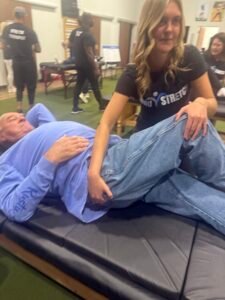
Stretch therapy is a hands-on flexibility service where trained coaches use assisted stretching techniques to improve range of motion and accelerate recovery. It enhances flexibility, promotes faster recovery, reduces injury risk, and deepens member engagement. Gym owners should implement stretch therapy to differentiate their offerings, maximize unused space, attract new clients, and improve client retention, ultimately leading to increased revenue.
This innovative service, as further elaborated by industry insights, goes beyond typical post-workout routines to offer profound benefits.
Understanding Assisted Stretching and Its Benefits for Fitness Studios
Assisted stretch therapy offers several benefits for gym members, including improved flexibility, enhanced recovery, and injury prevention. It helps increase the range of motion in joints, aids in muscle recovery post-exercise, and reduces the risk of injuries during workouts. These advantages contribute to higher member satisfaction and retention rates.
How Stretch Therapy Enhances Member Experience and Retention
Stretch therapy enhances member experience and retention by providing personalized interventions that accelerate recovery, alleviate muscle soreness, and improve overall performance. Members benefit from injury prevention, faster recovery, and enhanced mobility, which increases their perceived value of gym memberships. This holistic approach fosters deep client loyalty and reduces churn. Additionally, stretch therapy promotes flexibility, pain reduction, and stress relief, leading to improved sleep and a stronger mind-body connection. These factors contribute to positive reviews and referrals, further enhancing member engagement and retention.
How to Design an Effective Stretch Therapy Program for Your Gym
To design an effective stretch therapy program for your gym, consider the following steps:
As you embark on this journey, consider the foundational principles that ensure your program is not just a trend, but a lasting asset for your gym.
- Understand the Benefits: Recognize that stretch therapy enhances flexibility, promotes recovery, and reduces injury risk, which can differentiate your gym in a competitive market.
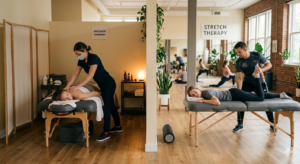
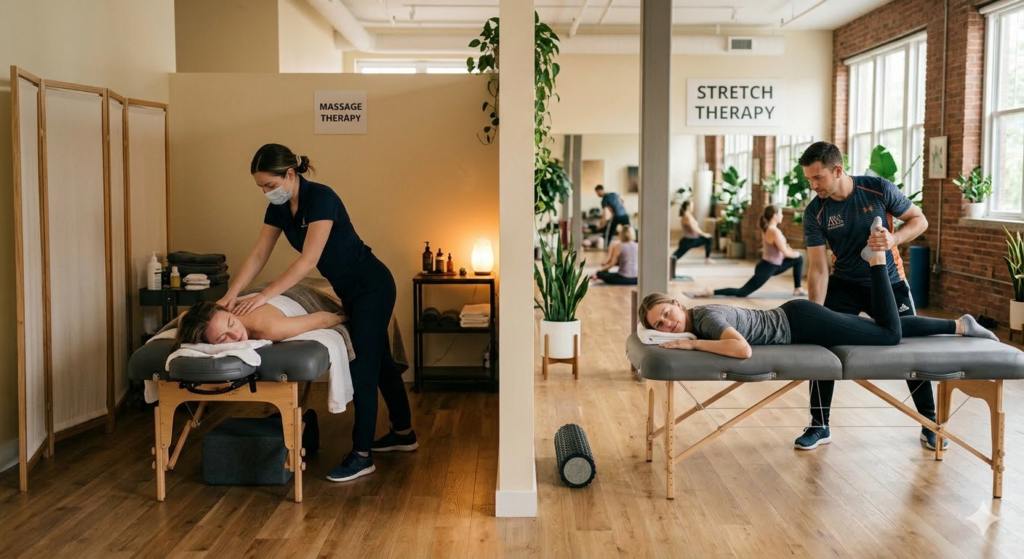
- Design a Stretch Zone:Allocate 150–200 square feet for the stretch area.Position stretch tables or benches along walls for privacy.Maintain 3–5 feet between stations for safety and movement.Use calming décor and low lighting to create a relaxing atmosphere.
- Select Appropriate Equipment:Invest in stretch tables ($500–$1,200 each), stretch bands ($10–$30 each), foam rollers ($15–$40 each), storage carts ($80–$150), and mats ($20–$50 per set).
- Implement Pricing Strategies:Conduct competitive pricing analysis.Consider value-based pricing that reflects the benefits of the service.Offer bundled services to encourage higher sales.
- Train Staff: Ensure trainers are certified in stretch therapy techniques to provide safe and effective sessions.
- Market the Program: Promote the unique benefits of stretch therapy to attract new clients and retain existing ones.
- Monitor Performance: Use client tracking tools and performance metrics to measure the success and ROI of the stretch therapy program.
By following these guidelines, gym owners can create a successful stretch therapy program that enhances client satisfaction and boosts revenue.
Key Components of a Fitness Studio Stretch Program
Key components of a fitness studio stretch program include:
- Assisted Stretching Techniques: Mastery of static, dynamic, and proprioceptive neuromuscular facilitation methods.
- Mobility Assessment: Evaluating joint angles, muscle elasticity, and movement patterns.
- Program Design: Structured sequencing for pre-workout activation, recovery sessions, and corrective regimens.
- Client Education: Teaching self-stretch protocols and home mobility routines.
- Safety and Contraindications: Identifying risk factors, adjusting intensity, and preventing overextension.
These components help trainers deliver specialized sessions that address individual client needs and enhance overall fitness outcomes.
Choosing the Right Stretch Therapy Techniques for Your Members
To choose the right stretch therapy techniques for your members, consider the following:
- Assess Individual Needs: Evaluate each member’s flexibility, mobility, and specific areas of tightness or stiffness.
- Technique Selection: Utilize various methods such as:Proprioceptive Neuromuscular Facilitation (PNF): Alternating contract-and-release phases to relax muscles.Assisted Passive Stretching: Guiding joint angles beyond the member’s active capacity.Fascial Traction: Applying sustained forces to separate fascial layers for improved elasticity.
- Target Specific Goals: Customize sessions based on whether members are athletes, recovering from injuries, or seeking relief from chronic pain.
- Educate on Benefits: Inform members about the importance of regular stretching for overall health, injury prevention, and improved performance.
- Program Formats: Offer a variety of session types, such as one-on-one sessions, small group clinics, or drop-in stretch bars, to cater to different preferences and operational capacities.
By implementing these strategies, you can effectively enhance member satisfaction and outcomes through tailored stretch therapy.
What Are the Steps to Integrate Stretch Therapy into Your Gym Business?
The steps to integrate stretch therapy into your gym business are:
- Certify Staff: Ensure therapist competence through recognized stretch therapy certification programs such as those offered by CNU Stretch or similar organizations.
- Prepare Space: Designate a stretch studio equipped with stretch tables and traction tools.
- Launch Marketing: Implement targeted local campaigns and promotional packages.
- Train Front-Desk Teams: Educate them on scheduling, client education, and upsell techniques.
- Monitor Results: Use client satisfaction surveys and performance metrics to assess effectiveness.
These steps help create a smooth integration that maximizes member uptake and revenue potential.
Training Staff and Hiring Certified Stretch Therapists
Gym owners can train and certify their staff for stretch therapy by ensuring that trainers complete recognized stretch therapy programs that cover essential topics such as anatomy, hands-on techniques, client screening, and safety guidelines. These programs typically include online theoretical modules followed by supervised practical labs. Upon passing a final assessment, trainers receive credentials that validate their expertise in providing assisted stretching services. Additionally, offering industry-recognized Level I & II Stretch Courses can enhance trainers’ skills, career prospects, and client trust, ultimately improving service quality and client satisfaction.
Setting Up the Space and Equipment for Assisted Stretching
To set up a space for assisted stretching, you should:
- Design the Layout:Position stretch tables or benches along a wall for privacy.Allow 3–5 feet between stations for safety and coach movement.Use low lighting and relaxing décor to create a recovery ambiance.Install mobile storage carts for equipment like bands and rollers.
- Essential Equipment:Stretch Tables: $500–$1,200 each.Stretch Bands: $10–$30 each.Foam Rollers: $15–$40 each.Storage Carts: $80–$150.Mats & Cushions: $20–$50 per set.
- Aesthetic Elements:Use calming colors and soft lighting.Incorporate motivational artwork to enhance the environment.
This setup will enhance client comfort and support smooth session transitions.
How Can Stretch Therapy Programs Increase Your Gym’s Revenue?
Stretch therapy programs can increase a gym’s revenue by transforming underutilized space into a high-margin profit center. By offering specialized services like assisted stretching, gyms can attract new clients, enhance member engagement, and improve client retention. Revenue models such as one-on-one sessions, group workshops, and monthly memberships can diversify income streams.
Additionally, certified stretch therapists can create new revenue opportunities through themed classes and corporate wellness programs. Overall, integrating stretch therapy allows gyms to maximize existing resources and differentiate themselves in a competitive market.
Pricing Models and Membership Add-Ons for Stretch Therapy Services
Stretch therapy services can utilize various pricing models and membership add-ons to enhance revenue. Here are the key pricing strategies:
- One-on-One Sessions: Priced between $60 and $120 per appointment.
- Group Flexibility Workshops: Charged at $20 to $40 per participant.
- Monthly Recovery Memberships: Adding $40 to $70 per member.
- Multi-Session Package Deals: Offering discounted rates for commitment, such as a 5-session pack at a 10% savings.
- Membership Add-Ons: Recurring revenue of $20–$50 additional per member, per month.
These models aim to balance accessibility with premium positioning, ensuring sustained program growth and predictable revenue streams.
Marketing Strategies to Promote Your Stretch Therapy Business Integration
To effectively promote your stretch therapy business, consider the following marketing strategies:
- Client Testimonials and Case Studies: Collect and showcase testimonials from satisfied clients, highlighting their success stories and the benefits of stretch therapy. Use these in marketing materials to build trust with potential clients.
- Social Media Engagement: Utilize platforms like Instagram and Facebook to share engaging content about the benefits of stretch therapy, including client success stories and educational posts.
- Email Marketing: Send targeted emails to existing clients promoting new services and special offers related to stretch therapy.
- Community Engagement: Participate in local health fairs or wellness events to raise awareness about stretch therapy and its benefits.
- Workshops and Demos: Host free demo sessions or educational workshops to showcase the effectiveness of stretch therapy and attract new clients.
- Bundled Packages: Offer stretch therapy as an add-on to personal training or membership tiers to encourage cross-selling and increase client retention.
- Local SEO Optimization: Optimize your online presence for search terms related to stretch therapy, such as “assisted stretching” and “mobility training,” to attract local clients.
By implementing these strategies, you can effectively promote your stretch therapy services and attract new clients.
What Are Common Challenges When Implementing Stretch Therapy and How to Overcome Them?
Common challenges when implementing stretch therapy include inconsistent service quality, scheduling conflicts, and inadequate staff training. To overcome these challenges, gyms can utilize pre-designed operational manuals for facility layout and session flow, automate staff certification tracking, and implement client booking systems to streamline management and ensure reliable service delivery.
Addressing Member Concerns and Educating About Stretch Therapy Benefits
Stretch therapy offers several benefits that address member concerns and educate clients about its advantages. It enhances flexibility, reduces pain, and accelerates recovery by improving circulation and reducing muscle tension. Stretch therapists provide personalized sessions that target individual needs, which can lead to greater functional mobility and injury prevention. Additionally, the professional involvement of certified therapists ensures tailored protocols that address biomechanics and postural dysfunctions, fostering trust and motivation among clients.
To effectively educate clients, gyms can integrate educational content into newsletters, blog posts, and in-gym signage, as well as host demonstrations and workshops. This approach not only informs clients about the benefits of stretch therapy but also positions the gym as a holistic wellness destination, ultimately driving member satisfaction and retention.
Ensuring Safety and Compliance in Assisted Stretching Programs
Safety and compliance are paramount in assisted stretching programs. Gyms should establish clear protocols for assessing client health and fitness levels before sessions. Regular training and certification for staff ensure that they are equipped to handle various client needs and potential contraindications. Additionally, maintaining a clean and organized stretching area minimizes risks and enhances the overall client experience.
| Component | Description | Importance |
|---|---|---|
| Staff Training | Regular certification and training for staff | Ensures safety and effective service delivery |
| Client Assessment | Initial health and fitness evaluations | Tailors sessions to individual needs |
| Equipment Maintenance | Regular checks and cleaning of equipment | Prevents injuries and maintains hygiene |
This table highlights the essential components that contribute to a safe and effective stretch therapy program, ensuring that both clients and staff are protected.
Frequently Asked Questions
What qualifications should stretch therapists have?
Stretch therapists should ideally hold certifications from recognized programs that specialize in stretch therapy techniques. These programs typically cover essential topics such as anatomy, hands-on techniques, client assessment, and safety protocols. Certifications ensure that therapists are equipped to provide safe and effective stretching sessions tailored to individual client needs. Additionally, ongoing education and training can help therapists stay updated on the latest techniques and best practices in the field, enhancing the quality of service provided to gym members.
How can gyms measure the success of their stretch therapy programs?
Gyms can measure the success of their stretch therapy programs through various metrics, including client satisfaction surveys, retention rates, and revenue generated from the service. Tracking attendance and participation in sessions can also provide insights into member engagement. Additionally, collecting feedback on individual progress, such as improvements in flexibility and recovery times, can help assess the program’s effectiveness. Regularly reviewing these metrics allows gym owners to make informed adjustments to enhance the program and better meet member needs.
What types of clients benefit most from stretch therapy?
Stretch therapy can benefit a wide range of clients, including athletes looking to enhance performance, individuals recovering from injuries, and those experiencing chronic pain or stiffness. Athletes may use stretch therapy to improve flexibility and prevent injuries, while clients recovering from injuries can find relief and support in their rehabilitation process. Additionally, anyone seeking to alleviate muscle tension, improve mobility, or enhance overall well-being can benefit from personalized stretching sessions tailored to their specific needs and goals.
How often should members participate in stretch therapy sessions?
The frequency of stretch therapy sessions can vary based on individual goals and needs. For optimal results, members may benefit from participating in sessions 1-3 times per week. Athletes or those with specific flexibility goals might opt for more frequent sessions, while casual gym-goers may find that once a week suffices. It’s essential for members to listen to their bodies and consult with their stretch therapists to determine the best schedule that aligns with their fitness routines and recovery needs.
What are the best marketing strategies for promoting stretch therapy services?
Effective marketing strategies for promoting stretch therapy services include leveraging client testimonials, engaging on social media, and hosting free workshops or demo sessions. Highlighting success stories and the benefits of stretch therapy can build trust and attract new clients. Additionally, utilizing email marketing to inform existing members about new offerings and special promotions can enhance engagement. Collaborating with local health events and optimizing online presence for relevant search terms can also help reach a broader audience and increase visibility in the community.
Can stretch therapy be integrated with other fitness programs?
Yes, stretch therapy can be seamlessly integrated with other fitness programs to enhance overall member experience. For instance, gyms can offer stretch therapy as a complementary service to personal training, group classes, or recovery programs. This integration allows members to benefit from a holistic approach to fitness, addressing flexibility and recovery alongside strength and conditioning. Additionally, creating bundled packages that include stretch therapy with other services can encourage cross-selling and increase member retention by providing comprehensive wellness solutions.
Conclusion
Incorporating stretch therapy into your gym can significantly enhance member satisfaction and retention while creating a unique selling proposition in a competitive market. This innovative service not only improves flexibility and recovery but also fosters a deeper connection between members and your gym. By following the outlined steps to implement and market stretch therapy, you can unlock new revenue streams and elevate the overall member experience. Start transforming your gym today by exploring our resources on effective stretch therapy integration.