Engage Members with Stretch Therapy: Upselling Gym Services
Engage Members with Stretch Therapy: Upselling Gym Services
In the competitive landscape of fitness, engaging and upselling services to existing gym members is crucial for sustained growth. Stretch therapy, particularly assisted stretch therapy, offers a unique opportunity to enhance member experience and retention. This article will explore effective strategies for promoting stretch therapy to your current gym members, focusing on marketing techniques, member communication approaches, and integration methods. By understanding the benefits of stretch therapy and employing targeted marketing strategies, gyms can significantly improve member engagement and satisfaction.
Indeed, incorporating an assisted stretching program can be a transformative step for any fitness center looking to stand out and provide exceptional value to its members.
Marketing Techniques
To effectively promote stretch therapy, gyms must employ a variety of marketing techniques that resonate with their members. These strategies can range from digital marketing to community engagement, all aimed at increasing awareness and interest in stretch therapy services.
Digital Strategies
Digital marketing plays a pivotal role in reaching potential clients. Effective online strategies include:
- Targeted Social Media Campaigns: Utilize platforms like Instagram and Facebook to showcase the benefits of stretch therapy through engaging content and testimonials.
- Local SEO Optimization: Ensure your gym appears in local search results by optimizing your website and Google My Business listing with relevant keywords related to stretch therapy.
These digital strategies not only enhance visibility but also foster a community around your services.
Client Testimonials and Case Studies
Building trust is essential in promoting new services. Client testimonials and case studies can significantly influence potential clients’ decisions. Consider the following:
- Importance of Credibility: Sharing success stories from current members who have benefited from stretch therapy can enhance credibility.
- How Testimonials Influence Decisions: Highlighting specific outcomes, such as improved flexibility or reduced injury risk, can motivate others to try the service.
By leveraging real experiences, gyms can create a compelling narrative that encourages participation.
Community Engagement
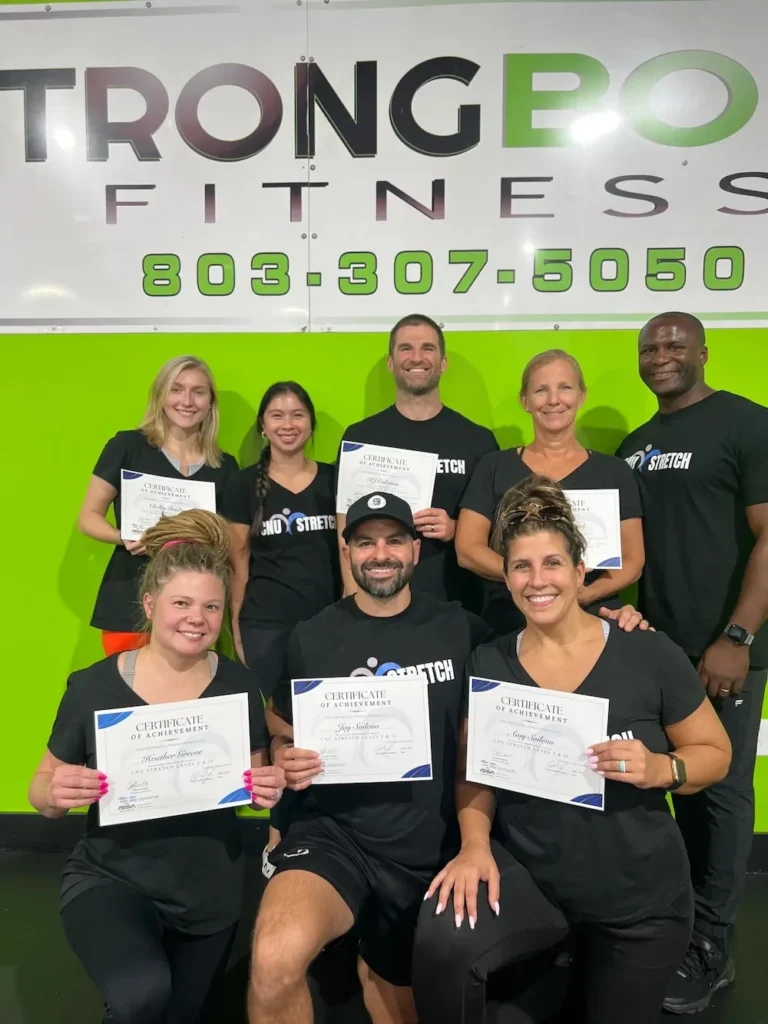
Engaging with the local community can also boost interest in stretch therapy. Effective methods include:
- Health Fairs: Participate in local health fairs to demonstrate stretch therapy techniques and offer free trials.
- Wellness Events: Host wellness events that include stretch therapy sessions, allowing members to experience the benefits firsthand.
These community-focused initiatives can create a buzz around your services and attract new members.
Workshops and Demos

Hosting workshops and demonstrations is an excellent way to showcase the value of stretch therapy. Consider these approaches:
- Open-House Demonstrations: Invite members to experience stretch therapy in a relaxed setting, allowing them to ask questions and see the benefits in action.
- Educational Workshops: Provide informative sessions on the importance of flexibility and injury prevention, integrating stretch therapy as a solution.
These events can help demystify the service and encourage members to incorporate it into their fitness routines.
Bundled Packages
Creating bundled packages can incentivize members to try stretch therapy. Consider offering:
- Tiered Packages: Provide different levels of service at varying price points, making it accessible for all members.
- Cross-Selling Opportunities: Pair stretch therapy with other services, such as personal training or nutrition counseling, to enhance overall wellness.
Bundled packages can increase perceived value and encourage members to explore new services.
In-Gym Promotions
Promoting stretch therapy within the gym is essential for visibility. Effective strategies include:
- On-Floor Signage: Use eye-catching signs to highlight the benefits of stretch therapy and any ongoing promotions.
- Staff Recommendations: Train staff to recommend stretch therapy to members who may benefit, creating a personalized approach to upselling.
These in-gym promotions can significantly increase awareness and participation in stretch therapy services.
Member Communication Approaches
Effective communication with gym members is vital for promoting new services like stretch therapy. Personalized and regular communication can enhance member engagement and acceptance of upsell opportunities.
Integration Methods
Integrating stretch therapy into your gym’s offerings requires strategic planning. Here are some methods to consider: stretch therapy certification
Positioning as a Core Service
Making stretch therapy a fundamental offering can enhance its visibility. Strategies include:
- Enhancing Visibility: Ensure that stretch therapy is prominently featured in marketing materials and on your website.
- Member Uptake Strategies: Encourage members to incorporate stretch therapy into their regular routines through reminders and incentives.
Positioning stretch therapy as a core service can lead to increased participation and member satisfaction.
Training Staff
Training staff on the benefits and techniques of stretch therapy is crucial. Consider these approaches:
- Effective Communication of Benefits: Equip staff with the knowledge to explain the advantages of stretch therapy to members.
- Staff Confidence in Promoting Services: Regular training sessions can boost staff confidence, making them more effective in upselling services.
Well-informed staff can significantly impact member engagement and service uptake.
Creating a Seamless Experience
Integrating scheduling for therapy sessions can enhance the member experience. Focus on: blog
- Ease of Booking: Implement user-friendly scheduling systems that allow members to easily book stretch therapy sessions.
- Integration with Other Services: Ensure that stretch therapy appointments can be easily coordinated with other gym services.
A seamless experience can encourage members to take advantage of stretch therapy offerings.
Feedback Mechanisms
Gathering member feedback on stretch therapy services is essential for continuous improvement. Consider these methods:
- Continuous Improvement: Regularly solicit feedback to understand member experiences and areas for enhancement.
- Adapting Offerings: Use feedback to tailor stretch therapy services to better meet member needs and preferences.
Implementing effective feedback mechanisms can lead to improved service quality and member satisfaction.
What Are the Key Benefits of Assisted Stretch Therapy for Gym Members?
Assisted stretch therapy offers numerous benefits for gym members, enhancing their overall fitness experience. Key benefits include: stretch therapy certification
- Enhanced Flexibility: Regular sessions can significantly improve flexibility, allowing members to perform exercises more effectively.
- Faster Recovery: Stretch therapy aids in muscle recovery, reducing soreness and improving performance.
These benefits make assisted stretch therapy a valuable addition to any fitness regimen.
This hands-on approach by a qualified practitioner is what truly distinguishes assisted stretching from self-stretching, enabling superior results in flexibility and mobility.
How Does Stretch Therapy Improve Mobility and Reduce Injury Risk?
Stretch therapy plays a crucial role in improving mobility and reducing injury risk. It achieves this by: our programs
- Injury Prevention: Regular stretching can help prevent injuries by increasing muscle elasticity and joint range of motion.
- Stress Relief: Stretch therapy also promotes relaxation, reducing tension in muscles and improving overall well-being.
By incorporating stretch therapy, members can enhance their mobility and reduce the likelihood of injuries.
What Wellness Enhancements Can Members Expect from Regular Stretch Sessions?
Regular stretch sessions provide various wellness enhancements, including: wellness trends 2025
- Physical Benefits: Improved flexibility and range of motion contribute to better overall physical performance.
- Mental Health Improvements: Stretch therapy can also reduce stress and anxiety, promoting mental well-being.
These enhancements highlight the holistic benefits of incorporating stretch therapy into fitness routines.
Which Effective Upselling Techniques Can Gym Staff Use to Promote Stretch Therapy?
Gym staff can utilize several effective upselling techniques to promote stretch therapy, such as:
- Personalized Recommendations: Tailor suggestions based on individual member needs and fitness goals.
- Introductory Discounts: Offer special promotions for first-time stretch therapy sessions to encourage participation.
These techniques can help increase member interest and participation in stretch therapy services.
How Can Staff Identify and Approach Members Likely to Benefit from Stretch Therapy?
Identifying members who may benefit from stretch therapy involves:
- Observing Member Behavior: Staff should pay attention to members who frequently express discomfort or limitations in their workouts.
- Targeting Specific Demographics: Focus on members engaged in high-impact activities or those recovering from injuries.
By recognizing these indicators, staff can effectively approach and recommend stretch therapy to the right members.
What Communication Strategies Increase Acceptance of Stretch Therapy Upsells?
To increase acceptance of stretch therapy upsells, consider these communication strategies:
- Educational Workshops: Host workshops that educate members on the benefits of stretch therapy and how it complements their fitness goals.
- Utilizing Client Testimonials: Share success stories from members who have experienced positive outcomes from stretch therapy.
These strategies can help build trust and encourage members to explore additional services.
How Can Member Engagement and Retention Be Enhanced Through Stretch Therapy Services?
Stretch therapy services can significantly enhance member engagement and retention by: our programs.
- Assisted Stretch Therapy: Offering personalized sessions that cater to individual needs can improve member satisfaction.
- Group Stretch Sessions: Organizing group sessions can foster a sense of community and encourage regular participation.
These approaches can lead to higher retention rates and a more engaged member base.
What Member Engagement Tactics Foster Long-Term Commitment to Stretch Therapy?
To foster long-term commitment to stretch therapy, gyms can implement several tactics:
- Promotional Events: Regularly host events that highlight the benefits of stretch therapy and offer special pricing.
- Loyalty Programs: Create loyalty programs that reward members for consistent participation in stretch therapy sessions.
These tactics can help maintain member interest and commitment to the service.
How Do Case Studies Demonstrate Improved Retention via Stretch Therapy Programs?
Case studies provide valuable insights into the effectiveness of stretch therapy programs. They often reveal: blog
- Real-World Examples: Many gyms have reported increased retention rates after implementing stretch therapy services.
- Statistics on Retention: Data shows that members who regularly participate in stretch therapy are more likely to renew their memberships.
These findings underscore the importance of integrating stretch therapy into gym offerings.
What Professional Training and Certification Programs Support Effective Stretch Therapy Promotion?
Professional training and certification programs are essential for promoting effective stretch therapy. These programs offer: stretch therapy certification
- Certification Benefits: Trainers who are certified in stretch therapy can provide higher quality services and enhance member trust.
- Professional Growth: Ongoing education in stretch techniques can help trainers stay updated on best practices and improve service delivery.
Investing in professional development can significantly enhance the quality of stretch therapy services offered.
Frequently Asked Questions
What qualifications should staff have to provide stretch therapy?
Staff providing stretch therapy should ideally have relevant certifications in stretch techniques or physical therapy. This ensures they possess the necessary knowledge of anatomy, physiology, and safe stretching practices. Additionally, ongoing training in customer service and communication skills is beneficial, as it helps staff effectively engage with members and explain the benefits of stretch therapy. By having well-trained staff, gyms can enhance the quality of service and build trust with their members.
How can gyms measure the success of their stretch therapy programs?
Gyms can measure the success of their stretch therapy programs through various metrics, including member participation rates, feedback surveys, and retention statistics. Tracking the number of sessions booked and the frequency of member engagement can provide insights into the program’s popularity. Additionally, gathering qualitative feedback from members about their experiences and perceived benefits can help identify areas for improvement and validate the program’s effectiveness in enhancing member satisfaction.
What are the best times to offer stretch therapy sessions?
Offering stretch therapy sessions during peak gym hours, such as early mornings, lunch breaks, and evenings, can maximize participation. Additionally, scheduling sessions after high-intensity classes or workouts can be beneficial, as members may seek recovery options. Consider also offering weekend sessions to accommodate different schedules. Flexibility in scheduling can help ensure that more members have the opportunity to experience the benefits of stretch therapy.
Can stretch therapy be integrated with other fitness programs?
Yes, stretch therapy can be effectively integrated with other fitness programs. For instance, pairing it with personal training sessions or group fitness classes can enhance overall member experience. Offering bundled packages that include stretch therapy with other services, such as yoga or pilates, can also attract more participants. This integration not only promotes a holistic approach to fitness but also encourages members to explore various services offered by the gym.
What should members expect during their first stretch therapy session?
During their first stretch therapy session, members can expect a personalized assessment to identify their specific needs and goals. A qualified therapist will guide them through a series of stretches tailored to enhance flexibility and relieve tension. Members should feel comfortable asking questions and expressing any discomfort during the session. The therapist will explain the techniques used and the benefits of each stretch, ensuring a supportive and informative experience.
How can gyms promote the long-term benefits of stretch therapy to members?
Gyms can promote the long-term benefits of stretch therapy by sharing success stories and testimonials from members who have experienced positive outcomes. Educational workshops and informational materials highlighting the advantages of regular stretching, such as improved flexibility and reduced injury risk, can also be effective. Additionally, offering introductory sessions or discounts for first-time participants can encourage members to try stretch therapy and recognize its value in their fitness journey.
What role does member feedback play in improving stretch therapy services?
Member feedback is crucial for improving stretch therapy services as it provides insights into their experiences and satisfaction levels. Regularly soliciting feedback through surveys or informal conversations can help gyms identify strengths and areas for improvement. This information can guide adjustments to session formats, scheduling, and therapist training. By actively responding to member feedback, gyms can enhance service quality and foster a more engaged and satisfied member base.
Conclusion
Incorporating assisted stretch therapy into your gym’s offerings can significantly enhance member satisfaction and retention. This innovative service not only improves flexibility and recovery but also fosters a sense of community among members. By implementing effective marketing strategies and personalized communication, gyms can maximize participation in stretch therapy programs. Discover how our certification can empower your staff to deliver exceptional stretch therapy services today.