Project Your Gym’s Earnings with Our Stretch Therapy Tool
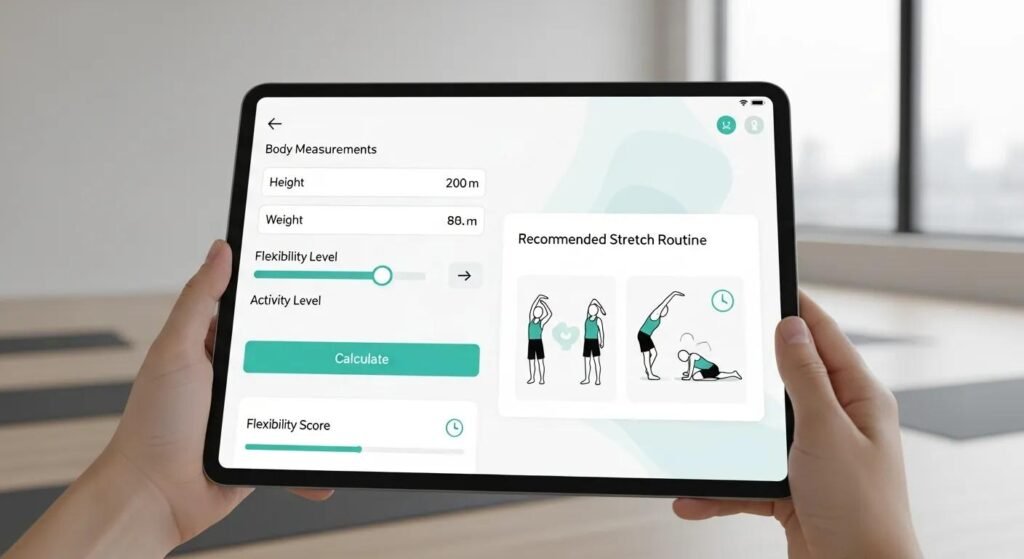
Stretch therapy is an innovative approach that not only enhances flexibility but also serves as a powerful tool for gym owners to boost revenue and client retention. By integrating stretch therapy into their offerings, fitness businesses can create new revenue streams while improving client satisfaction. This article will explore how stretch therapy can transform your gym’s financial landscape, the key benefits it offers, and how to effectively use the Stretch Therapy Calculator to project potential revenue. Additionally, we will discuss the necessary inputs for the calculator, how to interpret the results, and the training and licensing programs available for stretch therapy professionals.
How Does Stretch Therapy Enhance Gym Revenue and Client Retention?
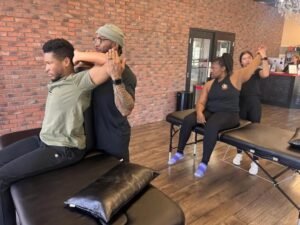
Stretch therapy enhances gym revenue by introducing new services that cater to the growing demand for recovery and flexibility solutions. By offering personalized stretch sessions and group workshops, gyms can attract a broader clientele and increase overall satisfaction. For instance, pricing for one-on-one sessions can range from $60 to $120, while group workshops can charge between $20 to $40 per participant. This diversification not only boosts income but also fosters client loyalty, as members who experience the benefits of stretch therapy are more likely to return.
Integrating stretch therapy into your gym’s offerings can lead to increased client retention rates. Clients who engage in regular stretching sessions report improved flexibility, reduced injury risk, and enhanced overall wellness. These factors contribute to a more satisfied membership base, which is crucial for long-term success. As gyms continue to evolve, incorporating services like stretch therapy certification can set your business apart from competitors and create a unique value proposition.
Indeed, assisted stretching programs are increasingly recognized as a powerful differentiator that can significantly enhance member experience and gym offerings.
What Are the Key Benefits of Stretch Therapy for Fitness Businesses?
Stretch therapy provides several key benefits that can significantly impact fitness businesses:Stretch therapy certification can transform your fitness business .
- Enhanced Flexibility and Recovery: Regular assisted stretching improves the range of motion in joints, which is essential for overall fitness and performance.
- Injury Prevention: By promoting flexibility, stretch therapy helps reduce the risk of injuries, allowing clients to maintain their workout routines without interruptions.
- Higher Client Retention Rates: Clients who experience the benefits of stretch therapy are more likely to remain loyal to your gym, leading to increased membership renewals.
In addition to these benefits, offering training and licensing programs for stretch therapy professionals can further enhance your gym’s credibility and service quality. These programs equip trainers with the necessary skills to provide effective stretch therapy certification, ensuring that clients receive the best possible care.
How to Use the Stretch Therapy Calculator to Accurately Project Gym Revenue
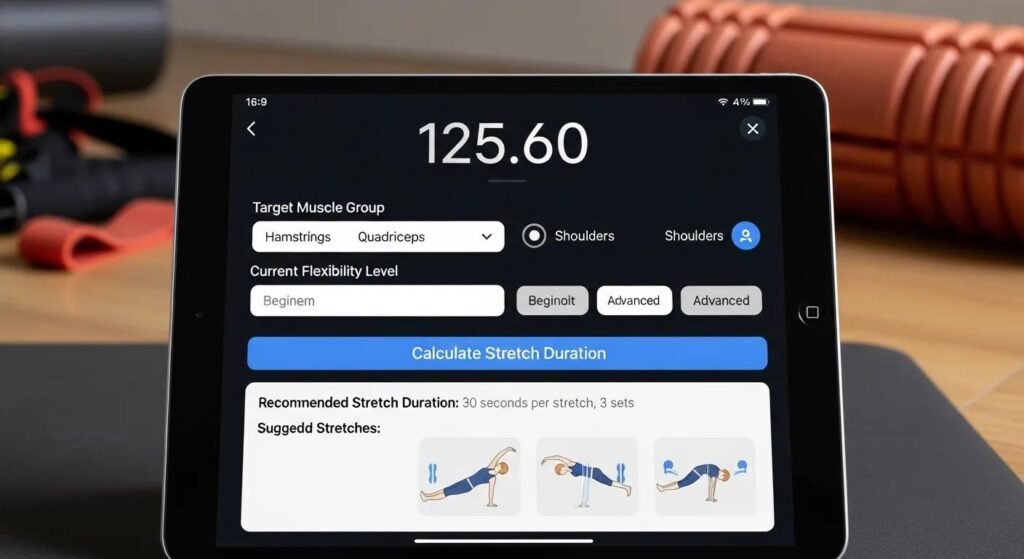
Using the Stretch Therapy Calculator is a straightforward process that can yield valuable insights into potential revenue. To get started, gym owners should input key data such as the number of existing personal training clients and the expected number of new stretch therapy clients. This information allows the calculator to generate accurate revenue projections based on various pricing models.
The calculator also enables gym owners to analyze different revenue streams effectively. By considering factors such as session pricing and client retention rates, users can make informed decisions about how to structure their stretch therapy offerings. This strategic approach can lead to optimized revenue generation and improved business performance.
What Inputs Are Required for the Stretch Therapy Revenue Calculator?
To utilize the Stretch Therapy Revenue Calculator effectively, several key inputs are required:
- Number of Existing Personal Training Clients: This figure helps establish a baseline for potential stretch therapy clients.
- New Stretch Clients: Estimating the number of new clients interested in stretch therapy is crucial for accurate projections.
- Income from Existing Clients: Understanding how much existing clients might spend on stretch therapy services can provide insights into overall revenue potential.
By gathering this information, gym owners can leverage the calculator to project their revenue accurately and make data-driven decisions about their stretch therapy offerings.
How to Interpret ROI and Revenue Projections from the Calculator?
Interpreting the results from the Stretch Therapy Calculator involves understanding key metrics such as annual brand value and return on investment (ROI). The annual brand value can be calculated using the formula:
Annual Brand Value= Monthly Leads from Program × Price of Front-End Offer × 12 months.
Additionally, ROI can be assessed using the formula:
ROI (%) = ((Revenue – Costs) / Costs) × 100.
These calculations provide gym owners with a clear picture of the financial impact of their stretch therapy services, allowing them to adjust their strategies as needed to maximize profitability.
What Are the Licensing and Training Programs for Stretch Therapy Professionals?

Training and licensing programs for stretch therapy professionals are essential for ensuring high-quality service delivery. These programs typically cover various aspects of stretch therapy, including techniques, client assessment, and safety protocols.
- Stretch Therapist Certification: This certification provides comprehensive training for individuals looking to specialize in stretch therapy.
- Training Formats Available: Programs may offer in-person workshops, online courses, or hybrid formats to accommodate different learning preferences.
- Ongoing Support and CEU Eligibility: Many programs provide continuing education units (CEUs) to help professionals stay updated on the latest techniques and best practices.
The total investment for the certification program is $12,999, with a payment plan option of $2,499 down plus $1,000 per month for 11 months. This investment not only enhances the skills of your staff but also elevates your gym’s reputation as a provider of quality fitness services.
What Does the Stretch Therapy Licensing Cost Include?
The licensing cost for stretch therapy typically covers several essential components:
- Initial Program Fee Details: This fee includes access to training materials and resources necessary for certification.
- Comprehensive Training and Support: Participants receive thorough training that equips them with the skills needed to deliver effective stretch therapy.
- Licensing Fees: The cost also encompasses the necessary licensing fees to operate as a certified stretch therapy provider.
By investing in these programs, gyms can ensure that their staff is well-prepared to offer high-quality stretch therapy services, ultimately benefiting both the business and its clients.
How Do Certification Programs Enhance Business Credibility and Growth?
Certification programs play a crucial role in enhancing business credibility and growth. By obtaining certification, fitness professionals demonstrate their expertise and commitment to providing high-quality services. This recognition can lead to increased trust among clients, which is essential for building a loyal customer base.
Moreover, certified professionals often have access to proven protocols, scheduling templates, and service packages that streamline operations and improve marketing efforts. This structured approach not only enhances service delivery but also positions the gym as a leader in the industry, attracting more clients and fostering growth.
Which Client Acquisition and Retention Strategies Maximize Stretch Therapy Revenue?
To maximize revenue from stretch therapy, gyms should implement effective client acquisition and retention strategies. Some key strategies include: wellness coach.
- Introductory Packages: Offering discounted rates for new clients can encourage them to try stretch therapy services.
- Tiered Pricing: Implementing tiered pricing structures can cater to different client needs and budgets, making services more accessible.
- Referral Incentives: Providing incentives for existing clients to refer new clients can help expand the customer base.
By focusing on these strategies, gyms can enhance their client acquisition efforts and ensure that existing clients remain engaged with their stretch therapy offerings.
How Can Certified Providers Leverage Client Location Networks?
Certified providers can leverage client location networks to maximize their reach and effectiveness. This involves:
- Certifying Staff and Preparing Space: Ensuring that all staff members are certified in stretch therapy and that the gym environment is conducive to providing these services.
- Launching Marketing Campaigns: Utilizing targeted marketing campaigns to promote stretch therapy services within the local community can attract new clients.
By effectively leveraging these networks, certified providers can enhance their visibility and attract a broader clientele, ultimately driving revenue growth.
What Marketing Tactics Drive Stretch Therapy Service Adoption?
Effective marketing tactics are essential for driving the adoption of stretch therapy services. Some successful strategies include:
- Digital Strategies: Utilizing social media platforms to share success stories and client testimonials can create buzz around stretch therapy offerings.
- Community Engagement: Hosting workshops and demonstrations can provide potential clients with firsthand experience of the benefits of stretch therapy.
- Open-House Events: Organizing open-house events allows prospective clients to explore the gym and learn about available services in a welcoming environment.
These marketing tactics can significantly enhance the visibility of stretch therapy services and encourage more clients to participate.
What Are the Latest Market Trends and Industry Insights for Stretch Therapy in 2026?
As we look towards 2026, several market trends and industry insights are emerging in the field of stretch therapy. The demand for recovery services is growing, with a notable year-over-year increase in mobility-focused bookings. This trend indicates a shift in consumer preferences towards holistic wellness solutions that prioritize recovery and flexibility.
Additionally, the assisted stretching market is projected to grow, highlighting the increasing recognition of stretch therapy as a valuable component of fitness and wellness programs. Gyms that adapt to these trends will be well-positioned to capitalize on the expanding market.
How Is Demand for Recovery and Flexibility Services Growing Among Gyms?
The demand for recovery and flexibility services is rapidly increasing among gyms, driven by a growing awareness of the importance of holistic wellness. Recovery services are now among the top factors influencing gym selection for many consumers. This shift reflects a broader trend towards prioritizing overall health and well-being, rather than solely focusing on traditional wellness trends.
As more clients seek out recovery solutions, gyms that offer stretch therapy and similar services will be better equipped to meet these evolving needs and attract a loyal customer base.
What Do Recent Statistics Reveal About Stretch Therapy ROI?
Recent statistics indicate that the return on investment (ROI) for stretch therapy can be substantial, underscoring the financial viability of incorporating stretch therapy into gym offerings. Additionally, projected first-year revenue from stretch therapy services can range depending on the number of clients and pricing structures.
These figures highlight the potential for significant financial gains, making stretch therapy a worthwhile investment for fitness businesses looking to enhance their service offerings and boost revenue.
Frequently Asked Questions
What qualifications should a stretch therapy professional have?
A stretch therapy professional should ideally hold a certification in stretch therapy, which includes comprehensive training in techniques, client assessment, and safety protocols. This certification ensures that the professional is equipped with the necessary skills to provide effective and safe stretch therapy services. Additionally, ongoing education and training can help them stay updated on the latest practices and techniques in the field, further enhancing their ability to serve clients effectively.
How can gyms effectively market their stretch therapy services?
Gyms can effectively market their stretch therapy services by utilizing a combination of digital marketing strategies and community engagement. Social media platforms can be used to share client testimonials and success stories, creating buzz around the services. Hosting workshops and open-house events allows potential clients to experience the benefits firsthand. Additionally, targeted advertising campaigns can help reach specific demographics interested in recovery and flexibility services, increasing visibility and attracting new clients.
What are the common misconceptions about stretch therapy?
Common misconceptions about stretch therapy include the belief that it is only for athletes or those with injuries. In reality, stretch therapy is beneficial for individuals of all fitness levels, as it enhances flexibility, promotes recovery, and reduces the risk of injuries. Another misconception is that stretch therapy is a one-time solution; however, regular sessions are essential for maintaining flexibility and overall wellness. Educating clients about these aspects can help dispel myths and encourage participation. Stretch therapy blog can provide more insights into its benefits.
How does stretch therapy differ from traditional physical therapy?
Stretch therapy primarily focuses on enhancing flexibility and promoting recovery through assisted stretching techniques, while traditional physical therapy often addresses specific injuries or rehabilitation needs. Stretch therapy is generally more proactive, aiming to improve overall wellness and prevent injuries, whereas physical therapy is typically reactive, focusing on recovery from existing conditions. Both practices can complement each other, but they serve different purposes in a fitness and wellness regimen.
What should clients expect during a stretch therapy session?
During a stretch therapy session, clients can expect a personalized experience tailored to their individual needs and goals. A certified stretch therapist will guide them through various assisted stretching techniques, focusing on improving flexibility and relieving tension. Sessions typically involve a combination of static and dynamic stretches, and the therapist will communicate with the client to ensure comfort and effectiveness. Clients may also receive advice on post-session care and how to incorporate stretching into their regular fitness routine.
Are there any contraindications for stretch therapy?
While stretch therapy is generally safe for most individuals, certain contraindications exist. Clients with acute injuries, severe joint pain, or specific medical conditions such as osteoporosis or recent surgeries should consult a healthcare professional before participating in stretch therapy. Additionally, pregnant individuals should seek guidance from their healthcare provider to ensure safety. It’s essential for stretch therapists to conduct thorough assessments and communicate with clients about any health concerns prior to sessions.
How can gyms measure the success of their stretch therapy programs?
Gyms can measure the success of their stretch therapy programs through various metrics, including client retention rates, session attendance, and overall revenue generated from these services. Gathering client feedback through surveys can provide insights into satisfaction levels and areas for improvement. Additionally, tracking the number of new clients attracted to the gym due to stretch therapy offerings can help assess the program’s impact on business growth. Regularly reviewing these metrics allows gyms to refine their strategies and enhance service delivery.
Conclusion
Integrating stretch therapy into your gym’s offerings not only enhances client satisfaction but also opens new revenue streams that can significantly boost your business. By providing personalized sessions and workshops, you can foster loyalty and improve retention rates among your members. Utilizing tools like the Stretch Therapy Calculator will empower you to make informed decisions and maximize your financial potential. Start exploring our resources today to elevate your gym’s services and attract a broader clientele.