The 17-Inch Plate: Why I Failed Two Stretch Therapists Last Weekend (And Why They Thanked Me For It)
Stretch therapy certification standards aren’t a marketing line — they’re the asset. Here’s why we don’t move them, no matter what.
There’s a story about a baseball coach named John Scolinos that every leader needs to hear at least once.
In 1996, Coach John Scolinos walked onto the stage at the American Baseball Coaches Association convention. He was 78 years old. He had a full-size home plate hanging from a string around his neck.
He looked out at 4,000 coaches and asked one question.
“How wide is home plate in Little League?”
“Seventeen inches.”
“How wide in high school?”
“Seventeen inches.”
“In college?”
“Seventeen inches.”
“In the pros?”
“Seventeen inches.”
Then he said the line I think about almost every day at CNU Stretch:
“And what do they do with a Big League pitcher who can’t throw the ball over a 17-inch plate? They send him to Pocatello. They don’t say, ‘Ah, that’s okay, Jimmy. You can’t hit a 17-inch target? We’ll make it eighteen inches, or nineteen. We’ll make it twenty so you have a better chance of hitting it. If you can’t hit that, let us know so we can make it wider still — say twenty-five inches.’”
— Coach John Scolinos, ABCA Convention, 1996
Coach Scolinos’s point: home plate is 17 inches at every level of baseball. The standard doesn’t change. The player has to rise to the standard — the standard does not lower itself to the player.
“And what do we do when our schools fail? We lower the standards. When our families fall apart? We redefine the family. When our churches struggle? We water down the message.”
We move home plate.
That speech is the reason I made one of the hardest decisions I’ve made as a CEO this past weekend.
What happened at our last CNU Stretch certification
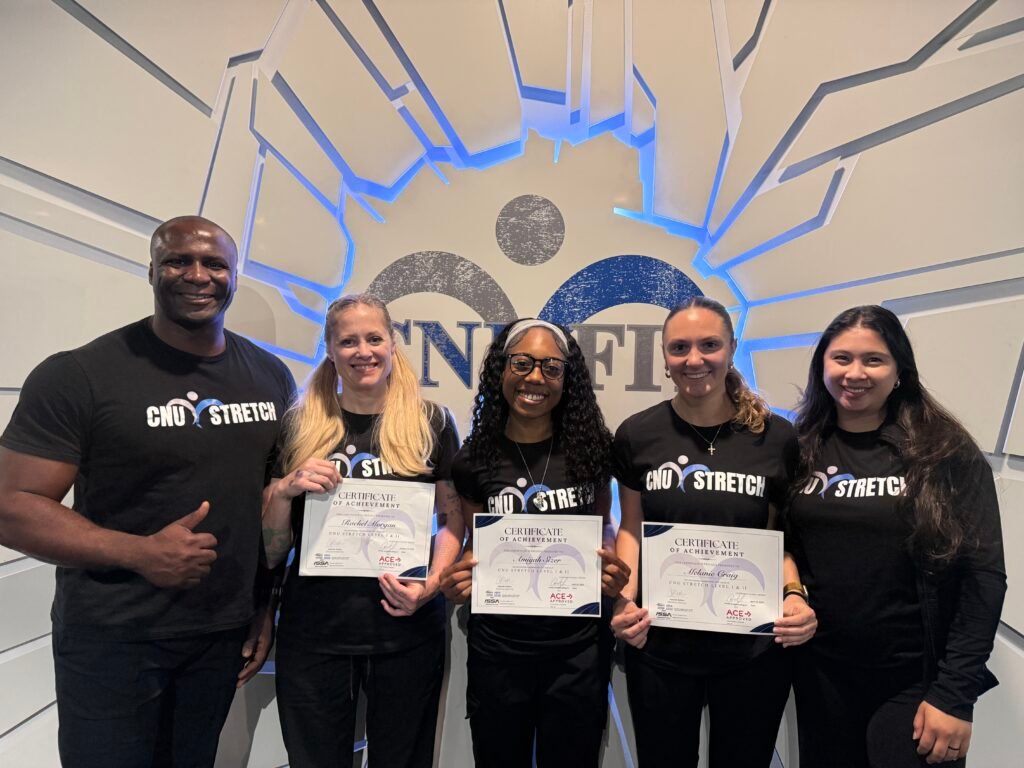
Two weekends ago, we ran two back-to-back certification cohorts at our headquarters in Delaware. People flew in from West Virginia. From Tennessee. They paid up to $1,500 each — or their gym owner paid $15,000+ to get them and their team trained.
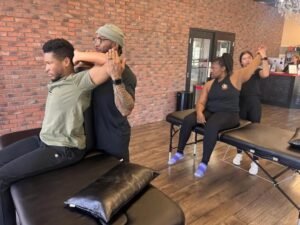
The CNU Stretch certification is a two-day intensive. Forty-plus online lessons before they even arrive. Eight hours on day one. Eight more on day two. By the end, they have to deliver a 50-minute live stretch session — not on a classmate, not on someone faking it for the test, but on a real CNU Stretch client.
A real client who pays $120 a session and tips the regular therapists.
The test isn’t “did you survive 50 minutes?”
The test is one question I ask the client after the session ends:
“Would you pay for this?”
That’s home plate. That’s our 17 inches.
After the first cohort wrapped, I pulled the clients aside. They told me — kindly, because clients are kind — that two of the candidates were not yet at the level where they’d hand over their credit card.
I had to make a call.
I could move the plate. Hand them the certificate, send them off, and protect their feelings.
Or I could hold the line — and tell two people, in person, that they didn’t pass.
I held the line.
Why our stretch therapy certification standards are the whole asset
Here’s what most certification companies don’t tell you:
Every time you let one unqualified person walk away with your certification, you lower the value of the certification for everyone who earned it the right way. Every gym owner who hires a “certified” stretch therapist who can’t actually deliver — that owner remembers the brand name on the certificate. Forever.
Lowering the plate isn’t kind. It’s expensive.
It’s expensive for the student, who walks into the marketplace under-equipped and gets fired by clients who won’t rebook.
It’s expensive for the gym owner, who paid five figures to onboard a new revenue stream and now can’t trust the people delivering it.
It’s expensive for the industry, which is already fighting for credibility.
And it’s expensive for me, because the second I hand out a cert that doesn’t mean anything, the certification means nothing.
The redemption story
Here’s the part that put a lump in my throat.
Both of the women who didn’t pass the first time? They had a growth mindset. They didn’t quit. They didn’t go home angry. They jumped right into our second cohort, did day two of the next class, retested with the same clients, and this time?
The clients came back raving.
“That was amazing. I’d pay for it.”
Standards don’t punish growth. Standards demand it. And when you respect somebody enough to tell them the truth, you give them the chance to become the version of themselves they came here to be.
One of those women drove home to West Virginia after the certification. The very next day, she stretched a powerlifter — a much bigger client, the kind of session that intimidates a smaller female practitioner. He sent her a testimonial within 24 hours:
“I’ve been getting stretched at studios all over. This was the best stretch I’ve ever had.”
Day one out of the cert.
That’s what 17 inches gets you.
What the clients said
After I told the two students they hadn’t passed, the clients I’d pulled aside thanked me.
One of them said: “Evans, thank you for not compromising your certification. When you put a stretch therapist into the marketplace, we want to know they’re going to deliver a certain quality.”
That’s why our stretch therapy certification standards translate directly into revenue. CNU Stretch certified therapists are charging $80–$120 per session and gyms in our network are doing $15,000+ a month in stretch revenue. The standard is the asset.
When the certificate has weight, every person who earned it gets to charge what they’re worth.
When you move the plate, nobody wins.
If you’re a trainer, coach, or studio owner thinking about adding stretch therapy…
You don’t need a certification that’s easy to pass. You need one that’s worth something to your clients.
You need 17 inches.
You need clients who walk out of a session and say, “I’d pay for this.”
You need a credential that gym owners trust enough to plug into their facility and watch their revenue jump.
That’s what we built.
If you’re ready to be held to real stretch therapy certification standards — and rewarded for hitting them — apply for our next CNU Stretch certification.
Apply for the next CNU Stretch certification →
We’re not moving the plate. We’re inviting you to step up to it.
— Evans Armantrading Jr.
Founder/CEO, CNU Fit & CNU Stretch