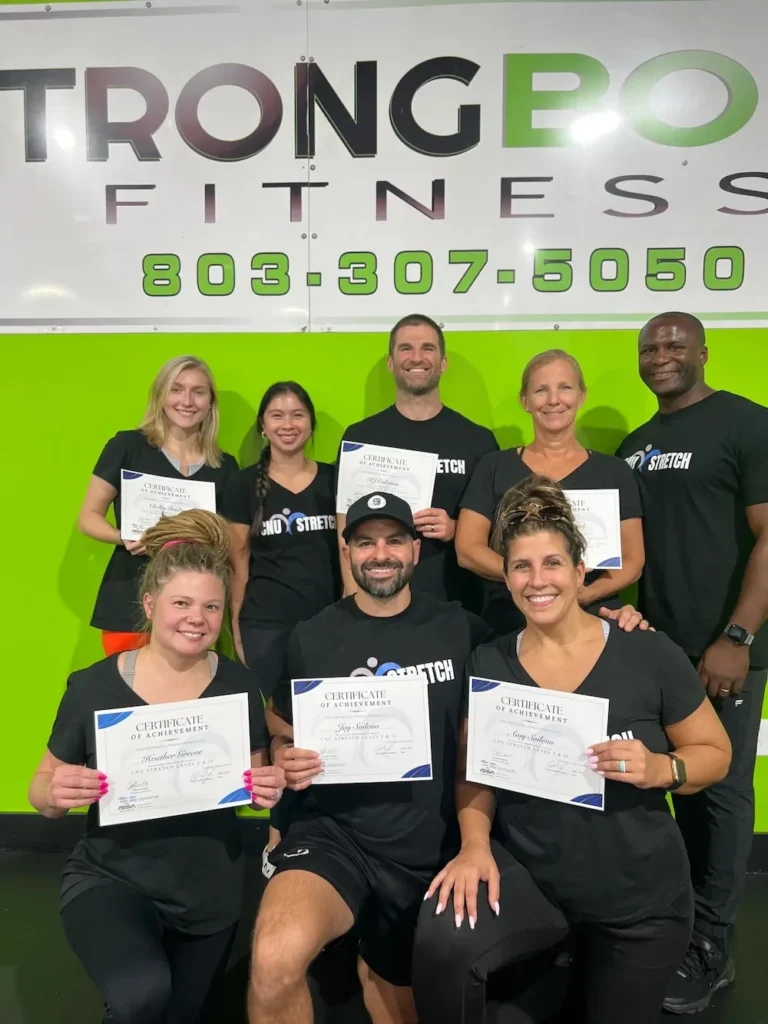
CategoriesStretch Therapy Certification

How a Stretch Therapy Certification Can Transform Your Fitness Business | CNU Stretch

Adding stretch therapy to your gym is one thing. Building it into a certified, structured business line that generates consistent revenue and retains members is another. The difference between the two comes down to one decision: whether your staff is properly trained or just winging it.

A stretch therapy certification through CNU Stretch doesn’t just teach technique — it gives your fitness business a complete operational foundation, a premium service offering, and a scalable revenue model that compounds over time.

What Changes When Your Staff Gets Certified

Before certification, stretch therapy at most gyms looks like this: a trainer helps a client stretch at the end of a session, improvises based on whatever they remember from a weekend seminar, and charges nothing or very little for it because they can’t justify a premium price for something informal.

After CNU Stretch certification, the same trainer delivers a structured 25 or 50-minute session using a defined methodology, a 10-point client assessment, and 65 proven techniques. They can articulate exactly what they’re doing and why. They charge $75 to $150 per session with confidence. Clients book recurring appointments and refer friends.

That shift — from informal add-on to premium certified service — is what transforms stretch therapy from a nice gesture into a profit center.

The Business Impact of Stretch Therapy Certification

New revenue from existing clients. Your current members are already interested in feeling better, moving better, and recovering faster — they just don’t know you offer a professional solution. Certified stretch therapy gives your trainers a premium service to offer existing clients without acquiring new ones. A trainer with a full book of stretch therapy clients can generate $5,000 to $10,000 per month in session revenue alone.

Higher average revenue per member. A member paying for a gym membership plus a monthly stretch package spends significantly more per month than a member paying for gym access alone. That increase in average revenue per member compounds across your entire membership base over time.

Stronger retention. Members who receive regular stretch therapy cancel at lower rates than those who use the gym for workouts alone. The combination of physical results, a personal relationship with their therapist, and a recurring appointment creates multiple layers of engagement that make cancellation feel like a much bigger decision. For a full breakdown of the retention mechanics, read How Stretch Therapy Enhances Gym Client Retention.

Market differentiation. Most gyms in any given market do not offer certified stretch therapy delivered by properly trained staff. Adding it positions your facility as a comprehensive wellness destination rather than just a workout space — which attracts clients who wouldn’t otherwise consider joining and gives existing members a reason to stay.

Staff development and retention. Trainers who receive certification in a specialized, in-demand skill are more engaged, more confident, and more likely to stay. Investing in your team’s professional development signals that their growth matters — and that reduces the turnover that costs gym owners thousands of dollars per year in recruitment and retraining.

What the CNU Stretch Certification Actually Covers

CNU Stretch Level I and II is designed to produce therapists who are client-ready from their very first paid session — not staff who need months of additional practice before you’d trust them with a paying member.

Level I covers 35 full-body stretches, the CNU Stretch nervous-system-based methodology, the Green-Yellow-Red client communication framework, the AIS diagnostic framework, a 10-point on-table client assessment, massage gun integration, and a 25-minute live client practical.

Level II adds 30 additional techniques for a total of 65, overhead squat assessment for functional movement screening, Kinotek AI-powered movement analysis, full stretch therapy consultation training, and a 50-minute live client practical.

The entire process — one week of online coursework plus a two-day in-person intensive — takes three to four weeks from enrollment to certification. Your staff leaves with a permanent reference manual, a defined methodology, and the confidence to charge premium rates from day one. To learn more about the full certification pathway, read How to Become a Certified Stretch Therapist.

The Licensing Advantage for Gym Owners

Individual certification is valuable. A gym licensing program is transformational. The CNU Stretch licensing program allows you to certify up to 20 staff members annually under a single license — which means you can build an entire stretch therapy team without paying per-person certification fees every time you hire or promote someone.

The licensing program also includes the full business infrastructure: operational protocols, pricing models, membership structures, scheduling frameworks, done-for-you marketing materials, and monthly coaching calls with the CNU Stretch team. You are not just buying a certification — you are buying a complete business system designed to generate revenue from the moment your first therapist sees their first client.

For gym owners who want to understand the full scope of what the licensing program includes, read CNU Stretch: Your Turnkey Solution for Gym Stretch Therapy.

How to Integrate Stretch Therapy into Your Gym Successfully

Certification is the foundation. Integration is what turns certification into revenue. The most successful CNU Stretch implementations follow the same pattern: start with existing members, build recurring habits, then expand.

In the first month, offer complimentary intro sessions to your most engaged members and anyone who has mentioned tightness, pain, or mobility limitations. Get your certified therapists in front of real clients immediately — results and word of mouth are your fastest marketing tools.

In months two and three, move clients from intro sessions onto recurring packages or stretch memberships. A member on a monthly stretch package is a retained member. Build stretch therapy into your premium membership tier so new members are introduced to the service from day one.

Track stretch therapy as its own business line from the start — separate revenue, separate client count, separate retention metrics. When you treat it as a standalone operation inside your gym, you make better decisions and see its true impact clearly.

Ready to Transform Your Fitness Business?

CNU Stretch gives gym owners everything needed to certify staff, launch a stretch therapy program, and build a recurring revenue line — including training, operational systems, marketing materials, and ongoing coaching from a team that built a six-figure stretch program inside a real gym.

Book a Free Gym Owner Consultation

No pitch. No pressure. A real conversation about what a stretch therapy certification could mean for your facility, your team, and your revenue.

Frequently Asked Questions

How long does it take to see a return on a stretch therapy certification investment?

Most gym owners who implement the CNU Stretch program recover their initial investment within the first 60 to 90 days. The combination of fast staff certification, a ready-made pricing model, and done-for-you marketing materials means your certified therapists are generating revenue within weeks of completing training — not months.

Can I certify staff who have no prior stretch therapy experience?

Yes. The CNU Stretch certification is designed to take fitness professionals with no prior stretch therapy background and produce client-ready therapists through one week of online coursework and a two-day in-person intensive. Prior experience in fitness, massage, or movement helps but is not required. Most personal trainers, group fitness instructors, and athletic trainers adapt quickly to the methodology.

What is the difference between CNU Stretch certification and other stretch certifications?

The primary difference is the combination of hands-on in-person training and a complete business system. Most stretch certifications are online-only and teach technique without any business infrastructure. CNU Stretch includes a two-day intensive with live clients and real-time coaching, plus the full operational framework — pricing, marketing, membership structures, and ongoing coaching — that turns certified individuals into a functioning revenue-generating program.

How many staff members should I certify to start?

Certifying two to three staff members simultaneously is the most effective launch strategy. They learn the same methodology together, can cover each other’s schedules from day one, and launch as a team rather than one person figuring it out alone. Starting with a single therapist creates a single point of failure — if they’re unavailable, your program stops generating revenue.

Does stretch therapy certification help with staff retention?

Significantly. Trainers who receive specialized certification in a high-demand skill are more engaged, more confident, and more satisfied in their roles. They can charge more, attract better clients, and see a clearer career path. Gyms that invest in staff development through programs like CNU Stretch consistently report lower trainer turnover than facilities that don’t.

Is stretch therapy suitable for all types of gyms?

Yes. CNU Stretch implementations span boutique studios, CrossFit affiliates, personal training facilities, functional fitness gyms, and large multi-service fitness centers. The program is specifically designed to integrate with existing gym operations without requiring additional space, major equipment investment, or disruption to current services. The service model scales to fit the size and focus of almost any fitness facility.

CategoriesStretch Therapy Certification

CNU Stretch: Your Turnkey Solution for Gym Stretch Therapy

Most gym owners who want to add stretch therapy to their facility run into the same wall: they know it’s a good idea, but they have no idea where to start. What do you charge? How do you train staff? What does a session actually look like? How do you sell it to members who have never heard of it?

That’s exactly what CNU Stretch solves. This article breaks down what a turnkey stretch therapy program actually includes, why it works as a gym revenue model, and how CNU Stretch handles every component so you’re not building it from scratch.

What Is Stretch Therapy and Why Do Gym Members Want It?

Stretch therapy is hands-on, assisted flexibility and mobility work delivered one-on-one by a certified therapist. Unlike foam rolling or a post-workout stretch a member does on their own, stretch therapy involves a trained professional moving the client through targeted techniques — passive stretching, PNF, active release, and fascial traction — based on what that specific body needs that day.

The members who benefit most include athletes who train hard and recover poorly, desk workers with chronic hip and shoulder tightness, older adults who want to stay mobile and active, and post-rehab clients who need ongoing maintenance beyond what physical therapy covers. That is a wide cross-section of almost any gym’s existing membership — which means the demand is already sitting inside your facility right now.

The business case is equally strong. Stretch therapy sessions are high-margin, require minimal equipment, and generate recurring revenue through packages and memberships. A gym running four stretch tables at capacity can generate $15,000 to $25,000 per month from a service line that costs very little to operate compared to equipment-heavy offerings.

What Does a Turnkey Stretch Program Actually Include?

The word “turnkey” gets used loosely in fitness. For CNU Stretch it means something specific: everything required to launch, staff, price, and sell a stretch therapy program is already built. You do not need to figure any of it out yourself.

Staff certification. CNU Stretch Level I and II trains your existing staff through one week of online coursework followed by a two-day in-person intensive. By the end they can deliver a full 25 or 50-minute session on a paying client — no guesswork, no six-month ramp-up.

Operational systems. Session structure, intake process, client communication frameworks, and scheduling protocols are all documented and ready to hand to your team the day they finish certification.

Pricing model. CNU Stretch provides tested pricing structures for intro sessions, session packages, and monthly memberships based on what works in real gym environments — not theoretical frameworks.

Marketing materials. Done-for-you templates for social media, email, and in-gym promotion mean you are not staring at a blank page trying to explain stretch therapy to your members from scratch.

Ongoing support. Monthly coaching calls with the CNU Stretch team — who have built and operated a six-figure stretch therapy program inside a real gym, not a consulting firm — keep your program growing after the initial launch.

How CNU Stretch Certification Works

The certification pathway is designed around one goal: producing therapists who are confident and competent from their very first paid session.

Level I covers 35 full-body stretches, the CNU Stretch nervous-system-based methodology, the Green-Yellow-Red client communication framework, a 10-point on-table assessment, massage gun integration, and a 25-minute live practical with a real client.

Level II adds 30 additional techniques for a total of 65, overhead squat assessment for functional movement screening, Kinotek AI-powered movement analysis, full consultation training, and a 50-minute live client practical.

Most staff complete both levels within three to four weeks from enrollment to certification. Gym licensing allows you to certify up to 10 staff members annually as part of the program.

Why Stretch Therapy Is One of the Most Efficient Gym Expansions Available

Most gym growth strategies require more space, more equipment, or more capital. A stretch therapy department requires none of those things at significant scale.

You need a small designated area — a few tables, enough room to move around each one. You can use underutilized floor space, off-peak hours, or a corner of your gym that currently generates nothing. Startup costs are a fraction of what adding a new equipment section or a group fitness studio would require.

Unlike equipment, which depreciates and breaks, your primary asset in stretch therapy is trained people. Once your staff is certified, the program scales by adding sessions and clients — not by purchasing more gear. That combination of low overhead, recurring revenue, broad member appeal, and fast implementation is why gym owners who add stretch therapy consistently report it as one of the highest-return decisions they have ever made.

What to Expect When You Launch

The most common mistake gym owners make when launching stretch therapy is trying to market to new people before they have served their existing members. Start inside.

Every gym has members dealing with tightness, chronic pain, mobility limitations, or recovery challenges. A personal outreach — a direct email or a conversation on the floor — offering a complimentary intro session will fill your first two weeks of appointments without spending a dollar on advertising.

Those first clients become your case studies. A member who gains significant mobility in their hips after four sessions, or who stops waking up with back pain after six weeks of regular stretch therapy, is the most powerful marketing asset you have. Document the outcomes with before-and-after mobility assessments using Kinotek, and share them — with permission — in your marketing.

From there, packages and memberships do the work. A simple package structure — four sessions, eight sessions, or a monthly membership — creates predictable recurring revenue that compounds as your client base grows.

Ready to Add Stretch Therapy to Your Gym?

CNU Stretch works with gym owners to build stretch therapy programs that generate real revenue, retain more members, and create a service your competitors are not offering.

Book a Free Gym Owner Consultation

No pitch. No pressure. A real conversation about what adding stretch therapy to your gym actually looks like.

Frequently Asked Questions

What does a typical stretch therapy session look like?

A session begins with a brief assessment — the therapist identifies areas of restriction and asks about any pain, tightness, or mobility goals. From there, the therapist guides the client through a sequence of targeted stretches using passive, active, and PNF techniques. Sessions are typically 25 or 50 minutes. The client is fully clothed and lying on a stretch table throughout. Most clients describe it as somewhere between a deep massage and assisted yoga — deeply relaxing but with noticeable functional results.

How much can a gym realistically earn from stretch therapy?

Revenue depends on session volume and pricing, but a gym running two certified therapists each doing four sessions per day at $65 per session generates over $20,000 per month from the program alone. Gyms that build stretch therapy into membership packages see additional retention benefits that multiply the total value. CNU Stretch provides an income calculator at cnustretch.com/income-calculator to model your specific scenario.

Do I need to hire new staff or can I certify my existing trainers?

In most cases certifying existing staff is the faster and more cost-effective path. Your current trainers already know your clients and your culture. The CNU Stretch certification adds the specific technique and methodology on top of that foundation. If your staff is already at capacity, bringing in one dedicated stretch therapist while certifying others gives the program a strong start.

How is CNU Stretch different from other stretch therapy certifications?

The primary difference is the in-person, hands-on training component. Many certifications are entirely online. CNU Stretch includes a two-day intensive with real clients, real-time coaching, and a live practical before certification is awarded. That difference shows up immediately in therapist confidence and client outcomes. The program also includes the full business framework — not just the technique.

What space do I need to launch stretch therapy in my gym?

Most gyms launch with two to four stretch tables. Each table requires roughly eight by ten feet of clear space. Many gym owners convert underutilized areas — a corner of the weight floor, a recovery room, an underused studio — without adding square footage or significant cost.

How long does it take to see a return on the investment?

Most gym owners who implement the CNU Stretch program recover their initial investment within the first 60 to 90 days. The combination of fast staff certification, a ready-made pricing model, and done-for-you marketing materials compresses the typical launch timeline significantly compared to building a program from scratch.

CategoriesGym Owner Resources

Hiring & Training Staff for Your Gym’s Stretch Therapy Program

Establishing a successful stretch therapy program starts with one thing: having staff who actually know what they’re doing. You can have the best marketing, the right pricing, and the perfect table setup — but if the person delivering sessions isn’t competent and confident, the program won’t hold.

This guide walks gym owners through exactly how to hire, train, and certify stretch therapy staff — whether you’re building from scratch or expanding an existing program.


How to Become a Certified Stretch Therapist for Gym Staff

The best path for most gym owners is to certify existing staff rather than hire from outside. Your current trainers already know your clients, understand your culture, and don’t need onboarding. What they need is a real certification — not a weekend online course, but hands-on training that builds actual technique.

A legitimate stretch therapy certification should cover:

  • Anatomy and physiology of muscles, fascia, and the nervous system as they relate to stretching
  • Multiple stretching modalities — passive, active, PNF, and nervous-system-based techniques
  • Client assessment — how to identify what’s actually limiting a client before the session starts
  • Session structure — how to build and deliver a complete 25- or 50-minute session
  • Safety and contraindications — protecting both the client and the therapist

If a program skips any of those components, your staff are getting a partial education — and that shows up on the table.

What Are the Key Requirements for Stretch Therapy Certification?

To get certified through CNU Stretch, staff complete the following:

  1. Online coursework — approximately one week of self-paced learning covering anatomy, stretching principles, and technique foundations
  2. Two-day in-person intensive — 14 hours of hands-on practice with real-time coaching and live clients on the table
  3. Level I practical — a 25-minute full-body stretch session demonstrating mastery of 35 techniques
  4. Level II — builds on Level I with 30 additional techniques, AI-powered movement assessment using Kinotek, and a full 50-minute client practical

Most staff complete both levels within 3–4 weeks from enrollment to certification. For a full breakdown of what’s covered, read What’s Inside the CNU Stretch Level I & II Certification.


Best Practices for Hiring Certified Stretch Therapists

If you do need to bring someone in from outside — because your current staff is at capacity or you want a dedicated stretch therapist from day one — here’s what to look for.

Qualifications and Skills to Prioritize

  • Hands-on stretch therapy certification — not an online-only credential. Ask specifically whether their training included in-person, supervised practice.
  • Background in fitness, massage, or movement — personal trainers, massage therapists, athletic trainers, and PT assistants all make strong stretch therapy candidates.
  • Communication and touch skills — stretch therapy is relational. The best therapists are calm, attentive, and able to read how a client’s body is responding mid-session.
  • Coachability — technique matters, and someone who thinks they already know everything is harder to train well.

Interview Questions That Actually Reveal Competence

These questions separate candidates who can talk about stretch therapy from those who can actually deliver it:

  • “Walk me through how you’d structure a first session with a new client who has chronic hip tightness.” — You want to hear: assessment first, then technique selection, then communication throughout.
  • “How do you know when a client has reached their true end range versus just discomfort?” — A strong candidate understands the difference between productive tension and resistance that signals to back off.
  • “Describe a time a client gave you unexpected feedback mid-session. How did you respond?” — Adaptability and client communication are non-negotiable.
  • “What does PNF stand for and how does it work?” — Basic competency check. If they can’t answer this, their certification didn’t cover enough.

What the CNU Stretch Training Curriculum Covers

The CNU Stretch Level I & II program is built to produce staff who are operational from day one — not staff who need six more months of practice before you’d trust them with a paying client.

Level I includes:

  • 35 full-body stretches
  • The CNU Stretch nervous-system-based stretching method
  • Fascial vs. muscle stretching — understanding the difference and when each applies
  • The Green-Yellow-Red client communication framework — a clear system that replaces the guesswork of a 1–10 pain scale
  • The AIS (Alignment Imbalance and Solution) diagnostic framework
  • 10-point on-table client assessment
  • Massage gun integration
  • A full 25-minute practical

Level II adds:

  • 30 additional stretches (65 total)
  • Overhead squat assessment for functional movement screening
  • Kinotek AI-powered movement assessment
  • Full stretch therapy consultation training
  • A 50-minute practical with live clients

Both levels include downloadable reference manuals your staff keeps permanently — not content locked behind a subscription. For gym owners certifying a team, CNU Stretch licensing allows you to certify up to 10 staff annually as part of the program. Learn more about how the licensing program works.


The Benefits of Licensing a Stretch Therapy Program

Training your staff through a certified program does more than improve their skills — it gives your entire stretch therapy operation credibility, consistency, and a scalable foundation.

Client retention: Clients return to stretch therapists who deliver consistent, high-quality results. A certified team with shared methodology — the same assessment process, the same communication framework, the same technique standards — creates a repeatable client experience that builds loyalty.

Staff retention: Investing in certification signals to your team that their professional development matters. That increases job satisfaction and reduces turnover — which is especially important for a service as relationship-driven as stretch therapy.

Revenue growth: A gym with a fully trained stretch therapy team can run multiple sessions simultaneously, scale client capacity, and build a program that doesn’t depend on any single person. That’s the difference between a stretch therapy side service and a stretch therapy business line.


How to Promote and Manage Your Stretch Therapy Program

Once your staff is trained, the next challenge is filling their schedules. The most effective launch strategy doesn’t start with advertising — it starts with your existing members.

Identify your first 20 clients from your current membership. Every gym has members dealing with tightness, limited mobility, or recovery challenges. A simple outreach — a personal email or a conversation on the floor — offering a complimentary intro session will fill your first two weeks without spending a dollar on ads.

Use client success stories as your primary marketing asset. A member who went from chronic hip pain to full mobility after eight sessions is worth more than any ad campaign. Document those outcomes with before-and-after mobility assessments (Kinotek makes this easy), and share them — with permission — in your marketing.

Track stretch therapy as its own business line. Separate revenue, separate client count, separate retention metrics. When you treat it as its own operation inside your gym, you make better decisions and see its true impact on your business. For a detailed breakdown of the revenue model, read How Gyms Add $20K+/Month with Stretch Therapy.


Ready to Build Your Stretch Therapy Team?

CNU Stretch provides everything you need to hire, train, certify, and launch — including done-for-you marketing materials, hiring templates, compensation plan frameworks, and monthly coaching calls with a team that built a six-figure stretch program inside a real gym.

Book a Free Gym Owner Consultation

No pitch. No pressure. A real conversation about what building a stretch therapy team actually looks like for your facility.


Frequently Asked Questions

Do I need to hire new staff or can I certify my existing trainers?

In most cases, certifying existing staff is faster, cheaper, and more effective than hiring from outside. Your current trainers already know your clients and culture. CNU Stretch Level I & II can certify your team through a one-week online prep followed by a two-day in-person intensive — without disrupting their existing schedule. That said, if your staff is already at capacity, bringing in one dedicated stretch therapist while certifying the rest gives your program a dedicated driver from day one.

How long does the certification process take?

Most staff complete both Level I and Level II within 3–4 weeks from enrollment to certification. The process includes approximately one week of online coursework followed by a two-day, 14-hour in-person intensive.

How many staff members do I need to launch a stretch therapy program?

You can launch with one certified therapist. Most successful gym programs start with one or two trained staff members and scale from there as demand grows. The CNU Stretch licensing program allows you to certify up to 10 staff annually.

What should I pay a certified stretch therapist?

Compensation varies by market, but certified stretch therapists typically earn $20–$35/hour as employees, or $40–$60 per session as contractors. For gym owners building an in-house program, a base plus commission structure tied to session volume tends to drive the right behaviors and aligns your team’s incentives with program growth.

What’s the difference between a CNU Stretch certification and an online-only cert?

Online-only certifications give your staff information. CNU Stretch gives them capability. The hands-on in-person intensive — 14 hours of practice on real clients with real-time coaching — is what produces therapists who can confidently work on a paying client from day one. That difference shows up immediately in client outcomes and retention.

How do I know if my staff member is a good fit for stretch therapy?

Look for trainers who are naturally patient, attentive, and good at one-on-one communication. Stretch therapy is less about intensity and more about precision and presence. Trainers who burn out on high-energy group coaching often thrive in the focused, relationship-driven environment of stretch therapy.

CategoriesStretch Therapy Certification

Enhance Gym Client Retention with Stretch Therapy Strategies

In the competitive landscape of fitness, retaining gym clients is paramount for long-term success. Assisted stretch therapy has emerged as a valuable tool to enhance client retention by addressing common issues such as flexibility, recovery, and overall satisfaction.

This article delves into the key benefits of assisted stretch therapy, how it can be integrated into gym loyalty programs, and the training opportunities available for fitness professionals. By understanding these elements, gym owners and trainers can create a more engaging and supportive environment that encourages members to stay committed to their fitness journeys.

Indeed, assisted stretching programs are increasingly recognized as a transformative service that can significantly benefit gym members and overall gym success.

What Are the Key Benefits of Assisted Stretch Therapy for Gym Members?

Assisted stretch therapy offers numerous benefits that can significantly enhance the gym experience for members. This therapeutic approach focuses on improving flexibility, promoting recovery, preventing injuries, and providing stress relief. By incorporating assisted stretch therapy into their routines, gym members can enjoy a more holistic approach to fitness that addresses both physical and mental well-being.

How Does Assisted Stretch Therapy Improve Injury Prevention and Recovery?

Assisted stretch therapy plays an important role in injury prevention and recovery by enhancing flexibility and promoting faster healing. By increasing the range of motion in muscles and joints, this therapy helps reduce the risk of injuries during workouts. Additionally, it supports the recovery process by improving blood circulation, which helps deliver essential nutrients to damaged tissues. This dual benefit makes assisted stretch therapy a valuable addition to any fitness regimen.

In What Ways Does Stretch Therapy Enhance Gym Member Engagement and Satisfaction?

Stretch therapy not only improves physical health but also enhances member engagement and satisfaction. Many gym-goers report better sleep quality and reduced muscle soreness after incorporating stretch therapy into their routines. Furthermore, the practice fosters a stronger mind-body connection, allowing members to feel more in tune with their bodies. This increased awareness and satisfaction can contribute to higher retention rates as members feel more valued and supported in their fitness journeys.

Beyond physical benefits, assisted stretching is also a powerful tool for promoting mental well-being and stress relief, contributing significantly to overall member satisfaction.

How Can Stretch Therapy Be Integrated into Gym Client Loyalty and Retention Programs?

Integrating stretch therapy into gym client loyalty and retention programs can create a more personalized and holistic experience for members. By offering tailored stretch sessions as part of membership packages, gyms can enhance the overall value of their services. This approach not only encourages members to renew their memberships but also fosters a sense of community and support within the gym.

What Are Effective Gym Membership Renewal Tactics Using Stretch Therapy Services?

To effectively renew memberships, gyms can highlight the benefits of stretch therapy in their marketing efforts. Offering bundled packages that include stretch therapy sessions can attract members looking for comprehensive wellness solutions. Additionally, engaging clients through workshops or informational sessions about the advantages of stretch therapy can further enhance their commitment to the gym.

How Do Stretch Therapy Loyalty Programs Reduce Dropout Rates?

Implementing loyalty programs that incorporate stretch therapy can help reduce dropout rates. By providing incentives for regular participation in stretch sessions, gyms can enhance member satisfaction and emotional investment. This approach fosters a sense of belonging and encourages members to prioritize their health and fitness, ultimately leading to lower churn rates.

What Training and Certification Programs Does CNU Stretch Offer for Fitness Professionals?

CNU Stretch offers a range of training and certification programs designed to equip fitness professionals with the skills needed to provide effective assisted stretch therapy. These programs focus on techniques and best practices, ensuring that trainers can deliver quality services to their clients.

The importance of professional understanding and implementation of stretching techniques is further highlighted by research into fitness professionals’ perspectives.

Which Certifications Are Needed to Become a Licensed Assisted Stretch Therapist?

To become a licensed assisted stretch therapist, individuals typically complete the CNU Stretch Expert Certification, which includes training modules covering anatomy, stretching techniques, and client assessment. This certification prepares therapists to meet clients’ needs and provide safe, effective therapy.

How Does Professional Training Enhance Personal Trainer Retention Methods?

Professional training in assisted stretch therapy enhances personal trainer retention by equipping them with specialized skills that set them apart in a competitive market. Trainers who offer stretch therapy can attract more clients and improve client satisfaction, leading to increased loyalty. Additionally, ongoing education and support from CNU Stretch can help trainers stay motivated and engaged in their careers.

Where Are CNU Stretch Studio Locations and How Can Clients Access Services?

CNU Stretch has multiple studio locations across the United States, making it convenient for clients to access their services. These studios provide a welcoming environment where clients can experience the benefits of assisted stretch therapy.

How to Find a CNU Stretch Studio Near You?

Clients can find a CNU Stretch studio near them by using online tools and resources provided on the CNU Stretch website. These tools offer location-based searches, ensuring clients can quickly identify the nearest studio and schedule their sessions.

What Are the Pricing and Membership Models for Assisted Stretch Therapy?

CNU Stretch offers various pricing and membership models for assisted stretch therapy, catering to different client needs. Membership options may include single sessions, package deals, or monthly subscriptions, allowing clients to choose the plan that best fits their lifestyle and budget.

What Client Success Stories and Case Studies Demonstrate the Impact of Stretch Therapy on Retention?

Client success stories and case studies provide evidence of the positive impact that stretch therapy can have on retention rates. These testimonials highlight the transformative experiences of gym members who have incorporated stretch therapy into their routines.

Which Gym Client Testimonials Highlight Improved Retention Through Stretch Therapy?

Many gym clients have shared positive experiences with stretch therapy, noting improvements in their overall fitness and well-being. These testimonials often emphasize how the therapy has helped them overcome physical limitations and stay committed to their fitness goals.

What Data Supports Increased Member Retention and Reduced Injuries?

Some research studies and industry reports suggest that gyms offering assisted stretch therapy may experience higher member retention rates and lower injury-related cancellations. These findings underscore the potential benefits of incorporating such services into fitness programs to enhance client satisfaction and loyalty.

Different benefits of assisted stretch therapy can be summarized in the following table:

BenefitDescriptionImpact Level
Improved FlexibilityEnhances range of motion in muscles and jointsHigh
Enhanced RecoveryPromotes faster healing and reduces sorenessHigh
Injury PreventionLowers risk of injuries during workoutsHigh

Incorporating assisted stretch therapy into gym offerings not only enhances member satisfaction but also contributes to a healthier, more engaged client base. By understanding the benefits and implementing effective strategies, gyms can improve their client retention rates.

Frequently Asked Questions

What types of clients benefit most from assisted stretch therapy?

Assisted stretch therapy is beneficial for a wide range of clients, including athletes, fitness enthusiasts, and individuals recovering from injuries. Athletes can enhance their performance and prevent injuries, while fitness enthusiasts may find improved flexibility and recovery. Additionally, those with sedentary lifestyles or chronic pain conditions can experience significant relief and increased mobility. Overall, anyone looking to improve their physical well-being and enhance their fitness journey can benefit from this therapeutic approach.

How often should clients participate in assisted stretch therapy sessions?

The frequency of assisted stretch therapy sessions can vary based on individual needs and fitness goals. Generally, participating in sessions 1-2 times per week is recommended for optimal benefits, especially for those looking to improve flexibility and recovery. However, clients with specific injuries or chronic conditions may benefit from more frequent sessions. It’s essential for clients to consult with their therapists to create a personalized schedule that aligns with their fitness routines and recovery needs.

Can assisted stretch therapy be combined with other fitness programs?

Yes, assisted stretch therapy can be effectively combined with various fitness programs, including strength training, yoga, and cardio workouts. Integrating stretch therapy into these routines enhances overall performance by improving flexibility and reducing muscle soreness. Many gyms offer complementary services, allowing clients to experience the benefits of stretching alongside their regular workouts. This holistic approach not only maximizes physical benefits but also promotes a well-rounded fitness experience.

What qualifications should a stretch therapist have?

A qualified stretch therapist should have completed a recognized training program, such as the CNU Stretch Expert Certification, which covers essential anatomy, stretching techniques, and client assessment. Additionally, therapists should possess strong communication skills to understand client needs and provide personalized care. Ongoing education and experience in fitness or rehabilitation settings can further enhance their effectiveness. Clients should always inquire about a therapist’s credentials to ensure they receive safe and effective treatment.

How can gyms measure the success of their assisted stretch therapy programs?

Gyms can measure the success of their assisted stretch therapy programs through various metrics, including member retention rates, client satisfaction surveys, and participation levels in stretch therapy programs. Tracking improvements in client flexibility and recovery times can also provide valuable insights. Additionally, gathering testimonials and case studies from clients who have benefited from the therapy can help demonstrate its impact. Regularly reviewing these metrics allows gyms to refine their offerings and enhance member engagement.

Are there any contraindications for assisted stretch therapy?

While assisted stretch therapy is generally safe, certain contraindications may exist. Individuals with acute injuries, severe osteoporosis, or specific medical conditions should consult a healthcare professional before participating. Pregnant women or those with recent surgeries should also seek medical advice. It’s crucial for therapists to conduct thorough assessments and obtain client health histories to ensure safety and tailor sessions appropriately. Open communication between clients and therapists is essential for a safe stretching experience.

Conclusion

Incorporating assisted stretch therapy into gym offerings not only enhances member satisfaction but also contributes to a healthier, more engaged client base. By addressing flexibility, recovery, and injury prevention, this innovative service can significantly improve client retention rates. Understanding and implementing these benefits can create a supportive environment that encourages members to stay committed to their fitness journeys. Discover how to elevate your gym experience by integrating assisted stretch therapy today.