CategoriesStretch Therapy Certification

Why Adding Stretch Therapy Could Be the Revenue Breakthrough Your Gym Has Been Waiting For

There’s a specific kind of frustration that sets in for gym owners around year two or three. New member signups have leveled off. Retention is harder than it used to be. Operating costs keep climbing while margins stay flat. You’ve refined your programming, invested in your community, and the product is genuinely good — but the numbers aren’t reflecting that.

That plateau isn’t a sign that something is broken. It’s a sign that your current service mix has reached its ceiling, and that growth is going to require adding something new rather than doing more of what you’re already doing. For a growing number of gym owners across North America, that something new is stretch therapy — and the revenue results are changing what’s possible inside their businesses.

Why the Modern Gym Economy Demands More Than Fitness

The fitness industry has shifted in a way that isn’t reversing. Clients today expect more than a well-programmed workout. They want to move without pain, recover faster between sessions, and feel supported in their health across multiple dimensions — not just inside a weight room. At the same time, competition has intensified from every direction: digital platforms, boutique studios, and at-home fitness options that didn’t exist a decade ago.

Gyms that are winning in this environment aren’t necessarily the ones with the best programming or the most equipment. They’re the ones that have built a broader service ecosystem — one that addresses recovery, mobility, and longevity alongside traditional training. Stretch therapy is the most accessible entry point into that ecosystem, and it’s one that integrates directly into what you’re already doing without requiring a major operational overhaul.

Why Stretch Therapy Works as a Gym Add-On

Part of what makes stretch therapy such a strong fit for existing gym businesses is that the infrastructure is already there. You have the space. You have the client relationships. You have staff who understand movement. What stretch therapy adds is a targeted, high-value service that addresses something your clients are already dealing with — tight hips, stiff backs, chronic tension, slow recovery — and delivers results they can feel in a single session.

That immediate, tangible outcome matters. Clients who experience meaningful relief from a stretch session don’t need to be convinced to come back. The result sells itself, which changes the economics of client retention in a fundamental way. When someone is seeing a trainer for workouts and booking stretch sessions for recovery, their relationship with your gym deepens. The switching cost goes up. The monthly value goes up. And the likelihood of referral goes up with it.

Stretch therapy also doesn’t compete with your core offer — it extends it. A client who trains three days a week and books two stretch sessions per month is spending more, getting better results, and staying longer. That’s not a trade-off. That’s compounding value.

The Revenue Math Behind Stretch Therapy

The financial case for stretch therapy is straightforward. CNU Stretch licensees have documented meaningful increases in average client spend after launching stretch services, with some facilities adding several thousand dollars per month in new recurring revenue through stretch-only membership options alone. One CNU Stretch licensee generated an additional $4,000 in revenue within the first 30 days of launching. Another reported that stretch therapy became the most profitable service in the building measured by revenue per square foot.

Those results aren’t outliers — they reflect what happens when a high-demand service is introduced into a gym that already has a warm client base and established trust. You’re not starting from zero. You’re layering a premium offering onto relationships that already exist, with clients who are already predisposed to say yes.

The broader revenue picture is significant as well. CNU Stretch’s licensing model has produced documented gym revenue exceeding $465,000 from stretch therapy services — a figure that represents what’s possible when the service is built out as a true revenue center rather than treated as an afterthought.

Getting Started Without Ove

CategoriesStretch Therapy Certification

How a Stretch Therapy Certification Can Diversify Your Fitness Career

The fitness industry rewards specialists. Trainers who build a second area of expertise — one that solves a problem clients are actively paying to fix — consistently out-earn and outlast those who stay in their lane. Stretch therapy is one of the clearest opportunities in the market right now, and a growing number of fitness professionals are using it to open new income streams, retain clients longer, and build careers that don’t depend on a single service.

This guide breaks down exactly how certified stretch coaches generate more revenue, deliver better client outcomes, and build careers that hold up through market shifts — starting with why the service itself commands a premium.

Why Clients Pay a Premium for Stretch Therapy

Today’s clients are more outcome-driven than ever. They want to move without pain, recover faster between sessions, and keep training as they age. General fitness programming addresses some of that — but it rarely addresses the underlying mobility and tissue restrictions that limit progress and cause chronic discomfort.

Certified stretch therapy fills that gap. As a trained stretch coach, you use hands-on assisted stretching techniques grounded in anatomy, biomechanics, and the science of the stretch reflex to restore range of motion, release muscular tension, and improve tissue quality. Clients feel the difference in a single session. That immediate, tangible outcome is what justifies a premium price point — and why the assisted stretching market has grown rapidly across North America.

The populations who benefit most are also the ones with the most disposable income and the highest willingness to invest in their health. Athletes managing recovery, professionals dealing with chronic desk-related tension, adults navigating age-related mobility decline, and clients post-injury or post-surgery are all actively looking for what stretch therapy delivers. Getting certified positions you directly in front of that demand.

How Stretch Certification Creates New Income Streams

Certification opens revenue channels that don’t exist without it. The most direct is one-on-one assisted stretch sessions — 30 to 60 minutes focused entirely on mobility, tissue release, and recovery. You can offer these as a standalone service, as a premium add-on to existing training packages, or as a recovery session between workout days. The per-session rate is typically higher than a standard personal training session because the outcome is more targeted and the relief is immediate.

Beyond individual sessions, certification supports a recurring revenue model through mobility memberships. Bundling assisted stretching into a monthly package — whether you operate independently or inside a gym — creates predictable income that isn’t tied to one-off bookings. Some CNU Stretch licensees structure these at $99 to $199 per month and fill them consistently because clients who get results keep coming back.

Workshops and clinics are another revenue layer. A targeted flexibility or injury prevention workshop for athletes, weekend warriors, or corporate clients serves double duty: it generates revenue on its own and functions as a top-of-funnel lead generator for ongoing services. Add virtual coaching — guided self-stretching protocols, foam rolling instruction, or Zoom-based mobility sessions — and you have a service model that scales beyond your physical location.

Stretch Therapy Builds Career Resilience

One of the less-discussed advantages of stretch therapy certification is what it does for the long-term stability of your career. Fitness businesses that depend entirely on one service type — whether that’s group classes, personal training, or nutrition coaching — are exposed when market conditions shift. Adding stretch therapy creates a second revenue pillar that serves a different client need and attracts a different segment of the market.

Stretch therapy is also recession-resistant in a way that discretionary fitness services often aren’t. Clients experiencing chronic pain, recovering from injury, or managing age-related mobility loss treat stretch therapy as a healthcare-adjacent service — something they prioritize even when cutting back on other spending. That changes the risk profile of your business in a meaningful way.

Client retention improves as well. When someone books personal training sessions and stretch therapy sessions with the same professional, the relationship deepens. They see results across multiple dimensions of their health, they feel understood as a whole person, and the switching cost of going elsewhere goes up significantly. Certified stretch coaches consistently report lower churn than trainers who offer a single service type.

What CNU Stretch Certification Includes

Not all stretch therapy certification programs are built the same. The curriculum, the business support, and the post-certification infrastructure vary significantly — and those differences matter when you’re trying to turn a certification into actual revenue.

CNU Stretch’s certification program covers the anatomy and biomechanics foundation you need: joint mechanics, fascial systems, the stretch reflex, and tissue behavior under load. You learn the hands-on assisted stretching techniques used in professional stretch therapy settings, with protocols for common client presentations including back pain, hip dysfunction, shoulder tightness, and athletic recovery. The program also integrates Kinotek AI technology — a movement assessment tool that gives you objective data on your clients’ mobility and lets you demonstrate progress in a way that raw perception can’t.

Beyond the clinical training, CNU Stretch provides the business infrastructure most programs don’t: a branded system, pre-written client communication scripts, marketing materials, and a licensing model that gives you a proven framework to build your stretch therapy practice rather than figuring it out from scratch. That combination of skill and system is what separates professionals who get certified and stall from those who build a functioning second revenue stream.

Who You Can Help as a Certified Stretch Coach

Certification expands your client base in every direction. Athletes — from competitive to recreational — need consistent mobility work to perform and recover. Desk-bound professionals carry chronic tension in the neck, shoulders, and hips that standard fitness programming rarely resolves. Older adults managing joint health, balance, and posture see dramatic quality-of-life improvements from regular assisted stretching. Post-surgical clients rebuilding range of motion need exactly the kind of guided, progressive tissue work that stretch therapy delivers.

Each of these populations represents a segment you may not currently be serving — or may be serving incompletely. Certification gives you the tools and the credibility to serve all of them well, and to charge appropriately for the outcomes you deliver.

In-Person vs. Online Certification: Which Format Is Right for You

CNU Stretch offers both in-person and online certification pathways, and the right choice depends on your learning style and schedule. The in-person format provides hands-on practice and real-time feedback — valuable for professionals who are new to manual therapy techniques and want to develop tactile confidence quickly. The online format offers flexibility for trainers with full client rosters who need to complete training around an existing schedule.

Both pathways cover the same curriculum and lead to the same credential. The in-person experience adds the dimension of live coaching and the opportunity to network with other fitness professionals going through the program at the same time.

Ready to Add Stretch Therapy to Your Practice?

CNU Stretch certification gives you the clinical skills, the business system, and the ongoing support to build a stretch therapy practice that generates real revenue. Book a call to learn more about the program and what it looks like to get started.

Book Your Free Discovery Call

Frequently Asked Questions

Do I need an existing fitness certification to enroll in CNU Stretch?

CNU Stretch is designed for working fitness professionals — personal trainers, gym owners, coaches, and movement specialists who want to add stretch therapy to their existing practice. A background in fitness, movement, or a related health field is recommended so you can apply the curriculum effectively with clients from day one.

How long does it take to complete the certification?

The timeline varies by format. In-person certification is completed over an intensive training period, while the online pathway allows you to move at your own pace. Most professionals complete the program within a few weeks and begin offering services to clients shortly after. Your CNU Stretch advisor can walk you through the specific schedule during your discovery call.

Can I charge more for stretch therapy sessions than for personal training?

Many certified stretch coaches do charge a premium for assisted stretch sessions — often more per hour than a standard training session — because the outcome is specific, the relief is immediate, and the service is still relatively rare in most markets. Your local pricing will depend on your market and positioning, but the perceived value of stretch therapy supports a higher price point in most cases.

How is CNU Stretch different from other stretch therapy certification programs?

Most programs certify you and send you on your way. CNU Stretch combines certification with a full business system — including Kinotek AI movement assessment technology, branded marketing materials, pre-written client scripts, and a licensing model built around proven revenue outcomes. The program is backed by documented gym revenue results, including licensees generating over $465,000 in stretch therapy revenue. That business infrastructure is not standard in the certification industry.

Can I add stretch therapy to an existing gym or training studio?

Yes — and this is one of the most common use cases. Gym owners and studio operators use CNU Stretch certification to launch a stretch therapy revenue stream inside their existing facility without building a new business from scratch. The licensing model is specifically designed to plug into an existing fitness operation and generate revenue quickly.

What ongoing support does CNU Stretch provide after certification?

CNU Stretch is structured as a licensing relationship, not a one-time transaction. That means ongoing access to business support, updated materials, and the systems that help you grow your stretch therapy practice over time — not just the credential you need to get started.

stretch therapy certification fitness businessCategoriesGym Owner Resources Blog Stretch Therapy Certification

Stretch Therapy Certification for Fitness Business Owners | CNU Stretch

Stretch therapy certification fitness business owners are adding right now isn’t a trend — it’s a revenue decision. Running a gym is a margin game. You’ve got fixed overhead, fluctuating membership numbers, and a ceiling on how much you can charge for access alone. The gym owners who break through that ceiling aren’t doing it by adding more equipment or running more promotions — they’re doing it by adding services their members actually want and can’t get anywhere else.

Stretch therapy is one of those services. Not the informal kind where a trainer helps someone stretch after a session. The certified, structured, recurring-appointment kind that members pay $75 to $150 per session for and book week after week.

The question isn’t whether stretch therapy works as a business model. Gyms running it as a certified program are adding thousands in monthly revenue without new members, new space, or major overhead. The question is whether your staff is trained well enough to deliver it at that level — and that’s exactly what a stretch therapy certification fitness business owners can build on actually solves.

What a Stretch Therapy Certification Fitness Business Owners Need Actually Covers

Before certification, stretch therapy at most gyms looks like this: a trainer helps a client stretch at the end of a session, guesses at what might be tight, and charges nothing because they can’t justify a premium price for something that informal.

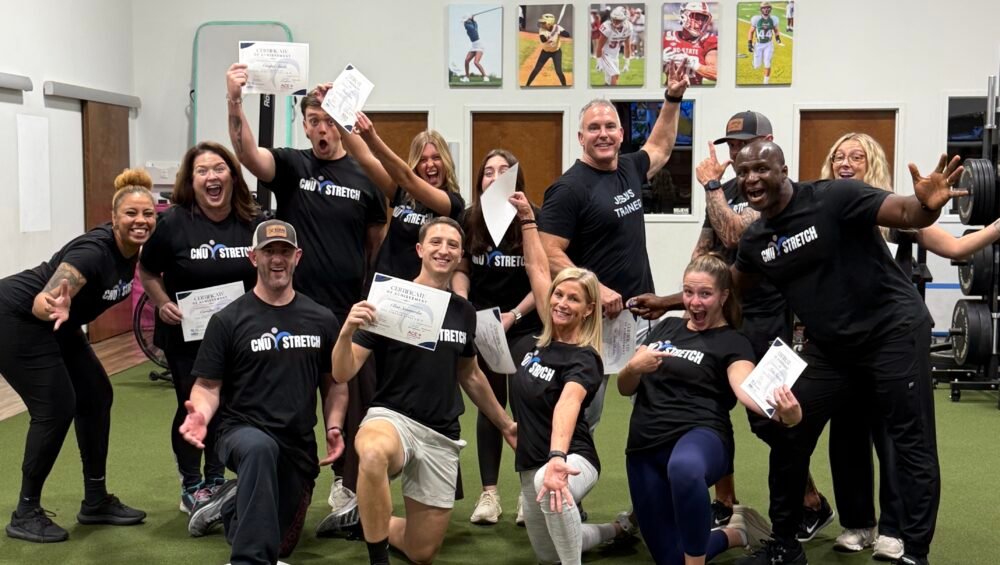
After CNU Stretch certification, the same trainer delivers a structured 25 or 50-minute session using a defined methodology, a 10-point client assessment, and 65 proven techniques. They know what they’re doing and why. They can explain it to the client. That confidence — and the structure behind it — is what justifies the price.

Members can feel the difference between someone winging it and someone who actually knows what they’re doing. The certified version gets rebooked. The informal version doesn’t.

What This Actually Adds to Your Bottom Line

A trainer running a full schedule of stretch therapy sessions can generate $5,000 to $10,000 per month in session revenue alone. That’s not a projection — that’s what CNU Stretch sees across its network of certified gyms.

Beyond session revenue, members who receive regular stretch therapy cancel at lower rates. They have a standing appointment, a relationship with their therapist, and physical results they can feel. That combination makes cancellation feel like a much bigger decision than it otherwise would. For a deeper breakdown of the retention mechanics, read how stretch therapy enhances gym client retention.

There’s also the positioning piece. Most gyms in any given market don’t offer certified stretch therapy. Adding it changes how your facility is perceived — not just as a place to work out, but as a place to recover, move better, and feel better long term. According to the Bureau of Labor Statistics, demand for fitness and wellness professionals is growing significantly faster than average — and recovery services are a big part of why.

What the CNU Stretch Certification Actually Covers

CNU Stretch Level I and II is built to get your staff client-ready — not eventually, but from the first paid session.

Level I covers 35 full-body stretches, a nervous-system-based methodology, the Green-Yellow-Red client communication framework, the AIS diagnostic framework, a 10-point on-table client assessment, massage gun integration, and a 25-minute live client practical.

Level II adds 30 more techniques for a total of 65, overhead squat assessment for functional movement screening, Kinotek AI-powered movement analysis, full consultation training, and a 50-minute live client practical.

The whole process — one week of online coursework plus a two-day in-person intensive — takes three to four weeks from enrollment to certification. Staff leave with a permanent reference manual and enough confidence to charge premium rates immediately. To learn more about the certification pathway, read how to become a certified stretch therapist.

The Licensing Option for Gym Owners

If you want to build a full stretch therapy team rather than certify one person at a time, the CNU Stretch licensing program lets you certify up to 10 staff members annually under a single license.

It also includes the operational side: pricing models, membership structures, scheduling frameworks, done-for-you marketing materials, and monthly coaching calls. The point is that you’re not figuring out how to run a stretch therapy program from scratch — the system already exists. For the full breakdown of what’s included, read CNU Stretch’s turnkey solution for gym stretch therapy.

How to Actually Launch It

The gyms that get the most out of this follow a simple pattern: start with existing members, build recurring habits, then expand.

In the first month, offer complimentary intro sessions to your most engaged members — especially anyone who’s mentioned tightness, pain, or mobility issues. Get your certified staff in front of real clients immediately. Results and word of mouth move faster than any marketing.

In months two and three, move those clients onto recurring packages or monthly stretch memberships. Build stretch therapy into your premium tier so new members encounter it from day one.

Track it separately from the start — its own revenue line, its own client count, its own retention numbers. When you treat it as a standalone program inside your gym, you see its actual impact clearly.

Book a Free Consultation

If you want to talk through what this would actually look like for your specific gym — your staff, your current membership, your space — that’s exactly what the free gym owner consultation is for.

Book a Free Gym Owner Consultation

No obligation. Just a real conversation about whether this fits.

Frequently Asked Questions

How quickly do gym owners typically see a return on the certification investment?

Most see it within 60 to 90 days. The combination of a fast certification timeline, a ready-made pricing model, and done-for-you marketing materials means certified staff are generating revenue within weeks of completing training.

Can staff with no stretch therapy background get certified?

Yes. The program is designed for fitness professionals with no prior stretch therapy experience. One week of online coursework followed by a two-day in-person intensive is enough to produce a client-ready therapist. Most personal trainers and group fitness instructors adapt to the methodology quickly.

How is CNU Stretch different from other stretch certifications?

Most stretch certifications are online-only and stop at technique. CNU Stretch includes a two-day in-person intensive with live clients, plus the full business infrastructure — pricing, marketing, membership structures, and ongoing coaching. The goal isn’t just a certified individual, it’s a functioning revenue-generating program inside your gym.

How many staff members should you start with?

Two to three. They learn together, can cover each other’s schedules from day one, and launch as a team. Starting with one creates a single point of failure — if that person is unavailable, the program stops generating revenue.

Does this work for smaller or boutique gyms?

Yes. CNU Stretch implementations run across boutique studios, CrossFit affiliates, personal training facilities, health clubs, and larger multi-service gyms. The program is designed to integrate with existing operations without requiring extra space or major equipment investment.

CategoriesStretch Therapy Certification

Enhance Gym Client Retention with Stretch Therapy Strategies

In the competitive landscape of fitness, retaining gym clients is paramount for long-term success. Assisted stretch therapy has emerged as a valuable tool to enhance client retention by addressing common issues such as flexibility, recovery, and overall satisfaction.

This article delves into the key benefits of assisted stretch therapy, how it can be integrated into gym loyalty programs, and the training opportunities available for fitness professionals. By understanding these elements, gym owners and trainers can create a more engaging and supportive environment that encourages members to stay committed to their fitness journeys.

Indeed, assisted stretching programs are increasingly recognized as a transformative service that can significantly benefit gym members and overall gym success.

What Are the Key Benefits of Assisted Stretch Therapy for Gym Members?

Assisted stretch therapy offers numerous benefits that can significantly enhance the gym experience for members. This therapeutic approach focuses on improving flexibility, promoting recovery, preventing injuries, and providing stress relief. By incorporating assisted stretch therapy into their routines, gym members can enjoy a more holistic approach to fitness that addresses both physical and mental well-being.

How Does Assisted Stretch Therapy Improve Injury Prevention and Recovery?

Assisted stretch therapy plays an important role in injury prevention and recovery by enhancing flexibility and promoting faster healing. By increasing the range of motion in muscles and joints, this therapy helps reduce the risk of injuries during workouts. Additionally, it supports the recovery process by improving blood circulation, which helps deliver essential nutrients to damaged tissues. This dual benefit makes assisted stretch therapy a valuable addition to any fitness regimen.

In What Ways Does Stretch Therapy Enhance Gym Member Engagement and Satisfaction?

Stretch therapy not only improves physical health but also enhances member engagement and satisfaction. Many gym-goers report better sleep quality and reduced muscle soreness after incorporating stretch therapy into their routines. Furthermore, the practice fosters a stronger mind-body connection, allowing members to feel more in tune with their bodies. This increased awareness and satisfaction can contribute to higher retention rates as members feel more valued and supported in their fitness journeys.

Beyond physical benefits, assisted stretching is also a powerful tool for promoting mental well-being and stress relief, contributing significantly to overall member satisfaction.

How Can Stretch Therapy Be Integrated into Gym Client Loyalty and Retention Programs?

Integrating stretch therapy into gym client loyalty and retention programs can create a more personalized and holistic experience for members. By offering tailored stretch sessions as part of membership packages, gyms can enhance the overall value of their services. This approach not only encourages members to renew their memberships but also fosters a sense of community and support within the gym.

What Are Effective Gym Membership Renewal Tactics Using Stretch Therapy Services?

To effectively renew memberships, gyms can highlight the benefits of stretch therapy in their marketing efforts. Offering bundled packages that include stretch therapy sessions can attract members looking for comprehensive wellness solutions. Additionally, engaging clients through workshops or informational sessions about the advantages of stretch therapy can further enhance their commitment to the gym.

How Do Stretch Therapy Loyalty Programs Reduce Dropout Rates?

Implementing loyalty programs that incorporate stretch therapy can help reduce dropout rates. By providing incentives for regular participation in stretch sessions, gyms can enhance member satisfaction and emotional investment. This approach fosters a sense of belonging and encourages members to prioritize their health and fitness, ultimately leading to lower churn rates.

What Training and Certification Programs Does CNU Stretch Offer for Fitness Professionals?

CNU Stretch offers a range of training and certification programs designed to equip fitness professionals with the skills needed to provide effective assisted stretch therapy. These programs focus on techniques and best practices, ensuring that trainers can deliver quality services to their clients.

The importance of professional understanding and implementation of stretching techniques is further highlighted by research into fitness professionals’ perspectives.

Which Certifications Are Needed to Become a Licensed Assisted Stretch Therapist?

To become a licensed assisted stretch therapist, individuals typically complete the CNU Stretch Expert Certification, which includes training modules covering anatomy, stretching techniques, and client assessment. This certification prepares therapists to meet clients’ needs and provide safe, effective therapy.

How Does Professional Training Enhance Personal Trainer Retention Methods?

Professional training in assisted stretch therapy enhances personal trainer retention by equipping them with specialized skills that set them apart in a competitive market. Trainers who offer stretch therapy can attract more clients and improve client satisfaction, leading to increased loyalty. Additionally, ongoing education and support from CNU Stretch can help trainers stay motivated and engaged in their careers.

Where Are CNU Stretch Studio Locations and How Can Clients Access Services?

CNU Stretch has multiple studio locations across the United States, making it convenient for clients to access their services. These studios provide a welcoming environment where clients can experience the benefits of assisted stretch therapy.

How to Find a CNU Stretch Studio Near You?

Clients can find a CNU Stretch studio near them by using online tools and resources provided on the CNU Stretch website. These tools offer location-based searches, ensuring clients can quickly identify the nearest studio and schedule their sessions.

What Are the Pricing and Membership Models for Assisted Stretch Therapy?

CNU Stretch offers various pricing and membership models for assisted stretch therapy, catering to different client needs. Membership options may include single sessions, package deals, or monthly subscriptions, allowing clients to choose the plan that best fits their lifestyle and budget.

What Client Success Stories and Case Studies Demonstrate the Impact of Stretch Therapy on Retention?

Client success stories and case studies provide evidence of the positive impact that stretch therapy can have on retention rates. These testimonials highlight the transformative experiences of gym members who have incorporated stretch therapy into their routines.

Which Gym Client Testimonials Highlight Improved Retention Through Stretch Therapy?

Many gym clients have shared positive experiences with stretch therapy, noting improvements in their overall fitness and well-being. These testimonials often emphasize how the therapy has helped them overcome physical limitations and stay committed to their fitness goals.

What Data Supports Increased Member Retention and Reduced Injuries?

Some research studies and industry reports suggest that gyms offering assisted stretch therapy may experience higher member retention rates and lower injury-related cancellations. These findings underscore the potential benefits of incorporating such services into fitness programs to enhance client satisfaction and loyalty.

Different benefits of assisted stretch therapy can be summarized in the following table:

BenefitDescriptionImpact Level
Improved FlexibilityEnhances range of motion in muscles and jointsHigh
Enhanced RecoveryPromotes faster healing and reduces sorenessHigh
Injury PreventionLowers risk of injuries during workoutsHigh

Incorporating assisted stretch therapy into gym offerings not only enhances member satisfaction but also contributes to a healthier, more engaged client base. By understanding the benefits and implementing effective strategies, gyms can improve their client retention rates.

Frequently Asked Questions

What types of clients benefit most from assisted stretch therapy?

Assisted stretch therapy is beneficial for a wide range of clients, including athletes, fitness enthusiasts, and individuals recovering from injuries. Athletes can enhance their performance and prevent injuries, while fitness enthusiasts may find improved flexibility and recovery. Additionally, those with sedentary lifestyles or chronic pain conditions can experience significant relief and increased mobility. Overall, anyone looking to improve their physical well-being and enhance their fitness journey can benefit from this therapeutic approach.

How often should clients participate in assisted stretch therapy sessions?

The frequency of assisted stretch therapy sessions can vary based on individual needs and fitness goals. Generally, participating in sessions 1-2 times per week is recommended for optimal benefits, especially for those looking to improve flexibility and recovery. However, clients with specific injuries or chronic conditions may benefit from more frequent sessions. It’s essential for clients to consult with their therapists to create a personalized schedule that aligns with their fitness routines and recovery needs.

Can assisted stretch therapy be combined with other fitness programs?

Yes, assisted stretch therapy can be effectively combined with various fitness programs, including strength training, yoga, and cardio workouts. Integrating stretch therapy into these routines enhances overall performance by improving flexibility and reducing muscle soreness. Many gyms offer complementary services, allowing clients to experience the benefits of stretching alongside their regular workouts. This holistic approach not only maximizes physical benefits but also promotes a well-rounded fitness experience.

What qualifications should a stretch therapist have?

A qualified stretch therapist should have completed a recognized training program, such as the CNU Stretch Expert Certification, which covers essential anatomy, stretching techniques, and client assessment. Additionally, therapists should possess strong communication skills to understand client needs and provide personalized care. Ongoing education and experience in fitness or rehabilitation settings can further enhance their effectiveness. Clients should always inquire about a therapist’s credentials to ensure they receive safe and effective treatment.

How can gyms measure the success of their assisted stretch therapy programs?

Gyms can measure the success of their assisted stretch therapy programs through various metrics, including member retention rates, client satisfaction surveys, and participation levels in stretch therapy programs. Tracking improvements in client flexibility and recovery times can also provide valuable insights. Additionally, gathering testimonials and case studies from clients who have benefited from the therapy can help demonstrate its impact. Regularly reviewing these metrics allows gyms to refine their offerings and enhance member engagement.

Are there any contraindications for assisted stretch therapy?

While assisted stretch therapy is generally safe, certain contraindications may exist. Individuals with acute injuries, severe osteoporosis, or specific medical conditions should consult a healthcare professional before participating. Pregnant women or those with recent surgeries should also seek medical advice. It’s crucial for therapists to conduct thorough assessments and obtain client health histories to ensure safety and tailor sessions appropriately. Open communication between clients and therapists is essential for a safe stretching experience.

Conclusion

Incorporating assisted stretch therapy into gym offerings not only enhances member satisfaction but also contributes to a healthier, more engaged client base. By addressing flexibility, recovery, and injury prevention, this innovative service can significantly improve client retention rates. Understanding and implementing these benefits can create a supportive environment that encourages members to stay committed to their fitness journeys. Discover how to elevate your gym experience by integrating assisted stretch therapy today.